
Entrepreneurship developers in Ida-Viru County evaluate the activities of the European Union's Just Transition Fund in the region as generally positive.
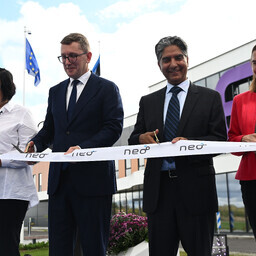
The Narva magnet factory, which has become the symbol of the fund, is operational. Enterprises developing in Ida-Viru business parks are providing the county with up to 2,000 new jobs.
However, in hindsight, things could have been done better. The timeline for using the support was tight, investment decisions were made hastily, and several large projects remained only on paper.
Teet Kuusmik, head of the Ida-Viru Investment Agency, says that more time should have been given to entrepreneurs. He believes that longer deadlines would have allowed for better quality.
The Viru Keemia Grupp (VKG) does not consider the magnet factory a merit of the fund, as it would have been built anyway. According to VKG's leadership, the fund's activities should be monitored to ensure the money went to the right projects.
Tourism developers in Ida-Viru are very satisfied with the fund. The greatest achievement is four new hotels with nearly 400 beds.
Tourism coordinator Kadri Alonen found that tourism-related projects have received significant support. This gives tourism a strong boost.
Many supported projects will reach the construction phase this year.
The Just Transition Fund (JTF) is a financial mechanism created by the European Union. Its aim is to support the economy, people, and the environment in regions suffering due to energy and climate objectives.
In Estonia, the fund's main target region is Ida-Viru County, where phasing out oil shale reduces jobs and creates economic difficulties.
The JTF supports the creation of new jobs, entrepreneurship development, retraining of workers, and investments in small and medium-sized enterprises.
Estonia will receive €340 million from the fund. This is the highest amount per capita among European countries.