
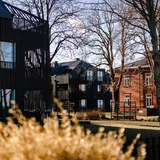
Kopli liinide elanikud maksavad kütte eest üle 40% rohkem kui teised Tallinna elanikud. Tehniliselt oleks võimalik piirkond ühendada linna küttevõrku. See maksaks aga kaks miljonit eurot. Linn ei saa sundida eraettevõtetid sõlmima lepinguid.
Kristjan Järvan, Tallinna abilinnapea, ütles, et
kahe küttevõrgu vaheline kaugus
on umbes 900 meetrit. Investeering oleks ligi kaks miljonit eurot. Utilitas ütles, et
tehnilisi takistusi ühendamiseks ei ole
. Ettevõte on valmis arutama võimalusi, kuid ootab initsiatiivi Fund Ehituse käest.
kahe küttevõrgu vaheline kaugus
Tõlge fraasile: kahe küttevõrgu vaheline kaugus
EN
distance between two heating networks
tehnilisi takistusi ühendamiseks ei ole
Tõlge fraasile: tehnilisi takistusi ühendamiseks ei ole
EN
there are no technical obstacles to connection
Fund Ehitus arvab, et
küttekulud vähenevad
, kui
piirkonda edasi arendatakse
. Projekti teine etapp sisaldab uusi maju, poode, kohvikuid ja lasteaeda. Reigo Marosov, Fund Ehituse tegevdirektor, ütles, et
rohkem kliente võimaldab jagada hoolduskulusid
rohkemate inimese vahel.
küttekulud vähenevad
Tõlge fraasile: küttekulud vähenevad
EN
heating costs decrease
piirkonda edasi arendatakse
Tõlge fraasile: piirkonda edasi arendatakse
EN
the area is further developed
rohkem kliente võimaldab jagada hoolduskulusid
Tõlge fraasile: rohkem kliente võimaldab jagada hoolduskulusid
EN
more customers allows sharing maintenance costs
Kopli liinide
elanikud ei taha oodata ehituse lõppu
. Pille Jansen Koppeli, Kopli Liinide juhatuse liige, ütles, et katlamaja ja
kütteinfrastruktuuri rent moodustab veerandi küttekuludest
. SW Energia maksab selle renti Fund Ehitusele ja see lisatakse elanike arvetele.
elanikud ei taha oodata ehituse lõppu
Tõlge fraasile: elanikud ei taha oodata ehituse lõppu
EN
residents do not want to wait for the end of construction
kütteinfrastruktuuri rent moodustab veerandi küttekuludest
Tõlge fraasile: kütteinfrastruktuuri rent moodustab veerandi küttekuludest
EN
rent for heating infrastructure makes up a quarter of heating costs
Joosep Vimm, Tallinna linnavolikogu liige, arvutas, et viimase aastaga on Kopli liinide elanikud maksnud umbes 85 000 eurot rohkem kütte eest. Ta ütleb, et
Tallinn peaks aitama lahendust leida
, sest linnale kuulub kolmandik Utilitas Tallinna Soojusest.
Tallinn peaks aitama lahendust leida
Tõlge fraasile: Tallinn peaks aitama lahendust leida
EN
Tallinn should help find a solution
Kopli liinide
soojusenergia hind on 109,65 eurot megavatt-tunni kohta
. Tallinna peamine küttevõrk töötab 77,82 euro eest megavatt-tunni kohta. Oktoobris kirjutati, et
linn on valmis arutama ühendamist
, kuid plaane veel ei ole.
soojusenergia hind on 109,65 eurot megavatt-tunni kohta
Tõlge fraasile: soojusenergia hind on 109,65 eurot megavatt-tunni kohta
EN
the price of thermal energy is 109.65 euros per megawatt-hour
linn on valmis arutama ühendamist
Tõlge fraasile: linn on valmis arutama ühendamist
EN
the city is ready to discuss the connection
Residents of Kopli lines pay over 40% more for heating than other residents of Tallinn. Technically, it would be possible to connect the area to the city's heating network. However, it would cost two million euros. The city cannot force private companies to enter into contracts.
Kristjan Järvan, Deputy Mayor of Tallinn, said that the distance between the two heating networks is about 900 meters. The investment would be nearly two million euros. Utilitas stated that there are no technical obstacles to the connection. The company is ready to discuss possibilities but is waiting for initiative from Fund Ehitus.
Fund Ehitus believes that heating costs will decrease if the area is further developed. The second phase of the project includes new houses, shops, cafes, and a kindergarten. Reigo Marosov, CEO of Fund Ehitus, said that more clients would allow maintenance costs to be shared among more people.
Residents of Kopli lines do not want to wait until the construction is completed. Pille Jansen Koppel, a board member of Kopli Lines, said that the rent for the boiler house and heating infrastructure accounts for a quarter of the heating costs. SW Energia pays this rent to Fund Ehitus, and it is added to the residents' bills.
Joosep Vimm, a member of the Tallinn City Council, calculated that over the past year, residents of Kopli lines have paid approximately 85,000 euros more for heating. He says that Tallinn should help find a solution because the city owns a third of Utilitas Tallinna Soojus.
The price of heat energy in Kopli lines is 109.65 euros per megawatt-hour. Tallinn's main heating network operates at 77.82 euros per megawatt-hour. In October, it was reported that the city is ready to discuss the connection, but there are no plans yet.