
The ministry says that compulsory education must be free. Voluntary class fees and donations can be collected if all children can participate equally.
Cultural institutions have lost a lot of money because there are fewer study trips. Schools and teachers are now afraid to ask for money for museum visits or bus trips.
The head of PÖFF, Mikk Granström, says that old bans have now been removed. The new guideline allows organizing study trips and asking for voluntary money. Granström believes the system will work as before.
Granström says that teachers need to receive a clear message. They can boldly ask for money for study trips. This helps everyone: parents, schools, and students.
The problem is that not all schools understand the new guideline. Some teachers fear that parents will get angry if they ask for money. The message must reach everyone that this is allowed.
The Estonian Museum of Natural History lost many school groups. Now they have found a sponsor who will help bring children to the museum. They have created an education fund that will bring 6,000 children to the museum over the next three years.
If Kindlustus is the museum's first sponsor. They trust the museum's work and help financially. This allows children to see, for example, cells under a microscope, making learning more interesting.
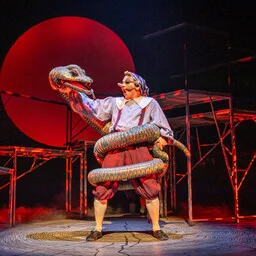
Theater professor Tiit Ojasoo says that theater visits are very important for young people. They provide life experience and new topics for discussion. However, children living outside Tallinn visit the theater very rarely.
Ojasoo says that going to the theater with the class is cheaper than with the family. But teachers need to be brave because traveling to another city is difficult. Although they receive a small extra payment, it does not cover their work.
Ojasoo praises teachers who take children to cultural institutions. This is a great effort for them. Cultural visits help children develop and talk about things other than TikTok.