
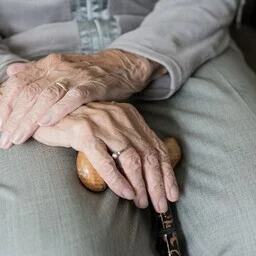
Palliative care helps people who can no longer recover. It doesn't cure the disease but helps relieve pain and improve quality of life. In Estonia, this is taught little to medical professionals, and there is no practice.
Piret Paal, a professor at the University of Tartu, says palliative care education should be better. Currently, it is taught only in some subjects and without practice. This means medical professionals don't know how to apply it in real life.
In Estonia, palliative care is needed by many: children, young people, and the elderly. When doctors can no longer help, palliative care should be considered. It helps people live better in their final days.
Palliative care education in Estonia is worse than in neighboring countries. In Latvia and Lithuania, it is better. In Finland, every doctor and nurse must complete a palliative care course. This is not the case in Estonia.
Piret Paal and her colleagues created 36 new rules for teaching palliative care. These rules show what should be included in the curriculum. For example, learning how to talk to patients about their wishes.
Currently, WHO evaluates palliative care with three rules. The new rules are more precise. They show what to learn and how to test whether medical professionals can do it.
There are some palliative care projects in Estonia. For example, new departments in Tartu and Tallinn. In Viljandi, there is a home hospice where people can stay at home with their families.
Death is often a taboo topic in Estonia. People don't talk about it. Many understand palliative care only when their loved one is ill. This needs to change.
Starting in 2027, everyone will be able to make an end-of-life declaration. This means people can say how they wish to die. For this, doctors must be able to give advice.
Piret Paal says we should talk more about death. There are also games that help families discuss this topic. This can help people prepare for the end of life.