
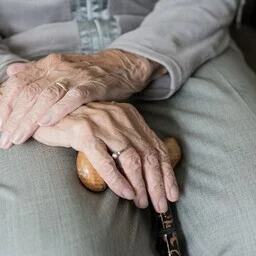
Palliatiivne ravi aitab inimesi, kes ei saa enam terveks. See ei ravi haigust, vaid aitab
leevendada valu
ja
parandada elukvaliteeti
. Eestis õpetatakse seda meedikutele vähe ja praktikat pole.
leevendada valu
Tõlge fraasile: leevendada valu
EN
relieve pain
parandada elukvaliteeti
Tõlge fraasile: parandada elukvaliteeti
EN
improve quality of life
Piret Paal, Tartu Ülikooli professor, ütleb, et
palliatiivse ravi õpe
peaks olema parem. Praegu õpetatakse seda ainult mõnes aines ja ilma praktikata. See tähendab, et meedikud ei oska seda päris elus rakendada.
palliatiivse ravi õpe
Tõlge fraasile: palliatiivse ravi õpe
EN
palliative care training
Eestis on palliatiivse ravi vaja paljudele: lastele, noortele ja eakatele. Kui arstid ei saa enam aidata, peaks mõtlema palliatiivsele ravile. See aitab inimestel elada paremini oma viimastel päevadel.
Eestis on
palliatiivse ravi õpe
halvem kui naabritel. Lätis ja Leedus on see parem. Soomes peab iga arst ja õde palliatiivse ravi kursuse läbima. Eestis seda ei ole.
palliatiivse ravi õpe
Tõlge fraasile: palliatiivse ravi õpe
EN
palliative care training
Piret Paal ja tema kolleegid tegid 36 uut reeglit, kuidas palliatiivset ravi õpetada. Need reeglid näitavad, mida peaks õppekavas olema. Näiteks peaks õppima, kuidas
rääkida patsientidega nende soovidest
.
rääkida patsientidega nende soovidest
Tõlge fraasile: rääkida patsientidega nende soovidest
EN
talk to patients about their wishes
Praegu hindab WHO palliatiivset ravi kolme reegliga. Uued reeglid on täpsemad. Nad näitavad, mida õppida ja kuidas testida, kas meedikud oskavad seda teha.
Eestis on mõned
palliatiivse ravi projektid
. Näiteks Tartus ja Tallinnas on
uued osakonnad
. Viljandis on
koduhospiits
, kus inimesed saavad olla kodus oma perega.
palliatiivse ravi projektid
Tõlge fraasile: palliatiivse ravi projektid
EN
palliative care projects
uued osakonnad
Tõlge fraasile: uued osakonnad
EN
new departments
koduhospiits
Tõlge fraasile: koduhospiits
EN
home hospice
Surm on Eestis tihti tabuteema. Inimesed ei räägi sellest. Paljud saavad aru palliatiivsest ravist alles siis, kui nende lähedane on haige. See peaks muutuma.
2027. aastast peab igaüks saama teha
elulõpu tahteavaldus
e. See tähendab, et inimesed saavad öelda, kuidas nad surra soovivad. Selleks peavad arstid oskama nõu anda.
elulõpu tahteavaldus
Tõlge fraasile: elulõpu tahteavaldus
EN
end-of-life declaration
Piret Paal ütleb, et me peaksime rohkem rääkima surmast. Olemas on ka mängud, mis aitavad perel arutada seda teemat. See võib aidata inimesi
valmistuda elulõpuks
.
valmistuda elulõpuks
Tõlge fraasile: valmistuda elulõpuks
EN
prepare for the end of life
Palliative care helps people who can no longer recover. It doesn't cure the disease but helps relieve pain and improve quality of life. In Estonia, this is taught little to medical professionals, and there is no practice.
Piret Paal, a professor at the University of Tartu, says palliative care education should be better. Currently, it is taught only in some subjects and without practice. This means medical professionals don't know how to apply it in real life.
In Estonia, palliative care is needed by many: children, young people, and the elderly. When doctors can no longer help, palliative care should be considered. It helps people live better in their final days.
Palliative care education in Estonia is worse than in neighboring countries. In Latvia and Lithuania, it is better. In Finland, every doctor and nurse must complete a palliative care course. This is not the case in Estonia.
Piret Paal and her colleagues created 36 new rules for teaching palliative care. These rules show what should be included in the curriculum. For example, learning how to talk to patients about their wishes.
Currently, WHO evaluates palliative care with three rules. The new rules are more precise. They show what to learn and how to test whether medical professionals can do it.
There are some palliative care projects in Estonia. For example, new departments in Tartu and Tallinn. In Viljandi, there is a home hospice where people can stay at home with their families.
Death is often a taboo topic in Estonia. People don't talk about it. Many understand palliative care only when their loved one is ill. This needs to change.
Starting in 2027, everyone will be able to make an end-of-life declaration. This means people can say how they wish to die. For this, doctors must be able to give advice.
Piret Paal says we should talk more about death. There are also games that help families discuss this topic. This can help people prepare for the end of life.