
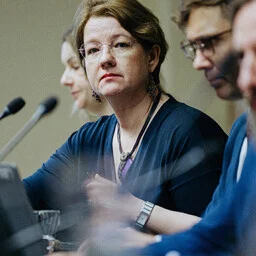
Konkurentsiameti juhid rääkisid
, et Eestis oli kütuse hind pikka aega kõrgem kui teistes riikides.
Konkurentsiameti juhid rääkisid
Tõlge fraasile: Konkurentsiameti juhid rääkisid
EN
The leaders of the Competition Authority said
Evelin Pärn-Lee ütles, et
kütuse hind kujuneb vabaturul
ja konkurentsiamet ei reguleeri seda. Amet uuris kütuseturgu, sest inimesed küsisid, miks Eesti kütusehind on alati sama.
kütuse hind kujuneb vabaturul
Tõlge fraasile: kütuse hind kujuneb vabaturul
EN
fuel prices are formed on the free market
Pärn-Lee rääkis, et
2022. aasta energiakriisi ajal
tõusid hinnad kiiresti, aga
langenud hinnad liikusid aeglaselt
. Konkurentsiameti analüüs ei leidnud keelatud koostööd kütusefirmade vahel.
2022. aasta energiakriisi ajal
Tõlge fraasile: 2022. aasta energiakriisi ajal
EN
during the 2022 energy crisis
langenud hinnad liikusid aeglaselt
Tõlge fraasile: langenud hinnad liikusid aeglaselt
EN
fallen prices moved slowly
2024. aastal avaldatud analüüsi järgi hakkasid
kütuseettevõtted pakkuma erinevaid hindu
. Pärn-Lee oli rõõmus, et konkurentsiamet pole enam seotud hinnaküsimustega.
kütuseettevõtted pakkuma erinevaid hindu
Tõlge fraasile: kütuseettevõtted pakkuma erinevaid hindu
EN
fuel companies offering different prices
Analüüs näitas, et
tanklakettide hinnad muutusid erinevaks
2025. aasta sügisel. Enne seda olid hinnad väga ühesugused. Pärn-Lee kiitis tanklakette nende käitumise muutmise eest.
tanklakettide hinnad muutusid erinevaks
Tõlge fraasile: tanklakettide hinnad muutusid erinevaks
EN
gas station prices became different
Graafikud näitasid, et pärast sõja algust Ukrainas oli Eesti kütuse hind ilma maksudeta palju kõrgem kui Lätis, Leedus või Poolas. Eelmise aasta septembris algas aga hinnasõda ja Eesti hind langes järsult.
Alan Vaht ütles, et
kütuse hind sõltub maailmaturust
. Kui maailmaturu hind tõuseb, ei tähenda see alati, et tanklates hinnad kohe tõusevad. Samuti ei lange hinnad kohe ka siis, kui maailmaturu hind langeb.
kütuse hind sõltub maailmaturust
Tõlge fraasile: kütuse hind sõltub maailmaturust
EN
fuel prices depend on the global market
Vaht rääkis, et tanklakettidel on kaks võimalust:
osta palju kütust korraga
või osta iga päev väikeses koguses. Kui ostetakse iga päev, makstakse maailmaturu hinna järgi.
osta palju kütust korraga
Tõlge fraasile: osta palju kütust korraga
EN
buy a lot of fuel at once
Ka
kütuse hindapankade kasutamine
aitab vähendata riske. Kui hind langeb, siis pank kompenseerib vahe. Kui hind tõuseb, peab müüja vahe summa pangale tagasi maksma.
kütuse hindapankade kasutamine
Tõlge fraasile: kütuse hindapankade kasutamine
EN
using fuel price banks
Ülle Tamme Neste Eestist ütles, et
Neste toob Eestile 30% kütusest
.
Hind määratakse sellega, kui kütus terminalist välja läheb
.
Neste toob Eestile 30% kütusest
Tõlge fraasile: Neste toob Eestile 30% kütusest
EN
Neste brings 30% of fuel to Estonia
Hind määratakse sellega, kui kütus terminalist välja läheb
Tõlge fraasile: Hind määratakse sellega, kui kütus terminalist välja läheb
EN
The price is determined when the fuel leaves the terminal
The leaders of the Competition Authority said that the price of fuel in Estonia was higher for a long time compared to other countries.
Evelin Pärn-Lee stated that the price of fuel is determined by the free market and the Competition Authority does not regulate it. The authority investigated the fuel market because people asked why the fuel price in Estonia was always the same.
Pärn-Lee mentioned that during the 2022 energy crisis, prices rose quickly, but falling prices moved slowly. The Competition Authority's analysis did not find any prohibited cooperation between fuel companies.
According to the analysis published in 2024, fuel companies started offering different prices. Pärn-Lee was glad that the Competition Authority was no longer involved in pricing issues.
The analysis showed that fuel station prices became different in the autumn of 2025. Before that, prices were very similar. Pärn-Lee praised fuel stations for changing their behavior.
Graphs showed that after the start of the war in Ukraine, the price of fuel in Estonia without taxes was much higher than in Latvia, Lithuania, or Poland. In September of the previous year, a price war began, and the price in Estonia dropped sharply.
Alan Vaht said that the price of fuel depends on the global market. When the global market price rises, it does not always mean that fuel station prices rise immediately. Similarly, prices do not fall immediately when the global market price falls.
Vaht explained that fuel stations have two options: buy a lot of fuel at once or buy a small amount daily. If fuel is bought daily, the price is paid according to the global market price.
The use of fuel price banks also helps reduce risks. If the price falls, the bank compensates for the difference. If the price rises, the seller must pay the difference back to the bank.
Ülle Tamme from Neste Estonia said that Neste brings 30% of fuel to Estonia. The price is determined when the fuel leaves the terminal.