
Haapsalu laht on Eesti kõige halvemas seisundis rannikumere osa
. Põhjuseks on
liiga palju toitaineid vees
.
Haapsalu laht on Eesti kõige halvemas seisundis rannikumere osa
Tõlge fraasile: Haapsalu laht on Eesti kõige halvemas seisundis rannikumere osa
EN
Haapsalu Bay is the coastal sea section in Estonia in the worst condition
liiga palju toitaineid vees
Tõlge fraasile: liiga palju toitaineid vees
EN
too many nutrients in the water
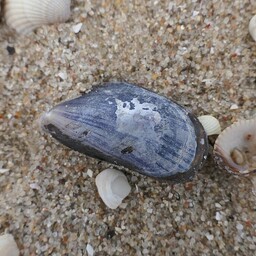
Nüüd alustab Tartu ülikool uut projekti. Nad rajavad lahte rannakarbifarmi. Farmis kasvatatakse rannakarpe (Mytilus edulis või Mytilus trossulus). Need karbid söövad toitaineid ja aitavad vett puhtamaks muuta.
Farm peab vastu pidama Läänemere raskele keskkonnale
. Seal on
madal soolsus, jää talvel ja tormid
. Seetõttu ehitatakse farm tugevasti. See peab vastu suurtele lainetele.
Farm peab vastu pidama Läänemere raskele keskkonnale
Tõlge fraasile: Farm peab vastu pidama Läänemere raskele keskkonnale
EN
The farm must withstand the harsh Baltic Sea environment
madal soolsus, jää talvel ja tormid
Tõlge fraasile: madal soolsus, jää talvel ja tormid
EN
low salinity, winter ice, and storms
Farm koosneb 20 pealiinist
. Iga liin on 200 meetrit pikk. Igale liinile tuleb umbes 1500 kasvatusköit. Need on sobivad just rannakarpide kasvatamiseks.
Farm koosneb 20 pealiinist
Tõlge fraasile: Farm koosneb 20 pealiinist
EN
The farm consists of 20 main lines
Talvel on farm vee all
. Nii ei kahjusta jää seda.
Farm märgistatakse ujuvate märkidega
.
Talvel on farm vee all
Tõlge fraasile: Talvel on farm vee all
EN
In winter, the farm is underwater
Farm märgistatakse ujuvate märkidega
Tõlge fraasile: Farm märgistatakse ujuvate märkidega
EN
The farm is marked with floating markers
Hanke võitja peab farmi ehitama ja paigaldama.
Töödelda ei tohi merepõhja ega kasutada keemilisi aineid
.
Töödelda ei tohi merepõhja ega kasutada keemilisi aineid
Tõlge fraasile: Töödelda ei tohi merepõhja ega kasutada keemilisi aineid
EN
The seabed must not be processed or chemical substances used
ERR on varem kirjutanud, et
Haapsalu lahe veekvaliteet on halb
. Põhjuseks on liiga palju toitaineid. Tartu ülikool uurib, kas karbifarm aitab vett puhtamaks muuta.
Haapsalu lahe veekvaliteet on halb
Tõlge fraasile: Haapsalu lahe veekvaliteet on halb
EN
The water quality of Haapsalu Bay is poor
Mereinstituut osaleb ka kliimaministeeriumi projektis.
Projekt kestab kuni 2033. aastani
.
Eesmärk on parandada Lääne-Eesti veekvaliteeti
.
Projekt kestab kuni 2033. aastani
Tõlge fraasile: Projekt kestab kuni 2033. aastani
EN
The project will last until 2033
Eesmärk on parandada Lääne-Eesti veekvaliteeti
Tõlge fraasile: Eesmärk on parandada Lääne-Eesti veekvaliteeti
EN
The goal is to improve the water quality of Western Estonia
Haapsalu Bay is the most degraded coastal water body in Estonia. The reason is excessive nutrients in the water.
Now the University of Tartu is launching a new project. They will establish a mussel farm in the bay. The farm will cultivate blue mussels (Mytilus edulis or Mytilus trossulus). These mussels consume nutrients and help purify the water.
The farm must withstand the harsh Baltic Sea environment. There is low salinity, winter ice, and storms. Therefore, the farm will be built robustly. It must withstand large waves.
The farm consists of 20 main lines. Each line is 200 meters long. Each line will have about 1500 cultivation ropes. These are specifically suitable for growing mussels.
In winter, the farm is underwater. This prevents ice damage. The farm will be marked with floating buoys.
The tender winner must construct and install the farm. The seabed must not be disturbed and no chemicals can be used.
ERR has previously reported that Haapsalu Bay's water quality is poor. The reason is excessive nutrients. The University of Tartu is investigating whether the mussel farm can help purify the water.
The Marine Institute is also participating in a climate ministry project. The project will last until 2033. The goal is to improve water quality in Western Estonia.