
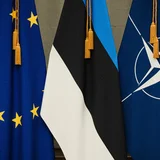
The Ministry of Foreign Affairs published a study that examined Estonians' opinions on foreign policy. According to the study, the three most important directions are cooperation with the Nordic and Baltic countries (37%), strengthening NATO defense (36%), and supporting businesses in foreign markets (36%).
Supporting Ukraine is important for 22%. 21% consider the protection of human rights and democracy crucial. Estonians and Russians think differently. Estonians support NATO and regional cooperation more. Russians want businesses to gain more access to foreign markets and desire better relations with Russia.
Youth (15-29 years old) support Estonia's foreign policy more than others. Digital development (43%), security (33%), and education (30%) are activities that improve Estonia's image.
71% of Estonians support sanctions against Russia. 83% of Estonians support them, while 40% of Russians do. Half of Estonians believe businesses should not engage with authoritarian countries.
Estonians (74%) and Russians (61%) differ in their opinions on peace between Ukraine and Russia. Estonians believe Ukraine should not give in. Russians think the opposite.
60% of Estonians support Ukraine joining the EU. 54% support joining NATO. EU expansion is supported more than before. 50% of Estonians support sending Estonian soldiers to Ukraine, but only after the war ends.
53% believe that in case of disputes between the US and the EU, Estonia should seek compromise. NATO is still considered crucial for security.
China is seen more as a partner than a threat. 38% support banning Chinese technology in Estonia. On the issue of Taiwan, it is recommended to follow the opinion of EU member states.
50% of Estonians feel well-informed about foreign policy. Men (60-74 years old) and highly educated individuals feel more confident. Young people and Estonians know less than Russians.
The most knowledgeable about foreign policy are residents of Northeast Estonia (70%) and Tallinn (65%). Residents of Western and Central Estonia know less. The study was conducted by Turu-uuringute AS on behalf of the Ministry of Foreign Affairs.