
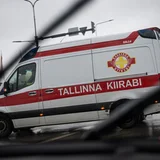
Terviseamet ja tervisekassa muudavad
kiirabiteenus
t. Uus süsteem hakkab tööle 2028. aastal. Enamik meeskondi on kaheliikmelised. Öösel töötavaid brigaade on vähem.
kiirabiteenus
Tõlge fraasile: kiirabiteenus
EN
ambulance service
Uue süsteemi eesmärk on aidata paremini. Kiirabi saab kiiremini kohale. Kõik inimesed saavad
võrdselt abi
. Kiirabibaase lisandub igas Eesti piirkonnas.
võrdselt abi
Tõlge fraasile: võrdselt abi
EN
equal help
Kiirabi töötab rohkem päeval. Öösel on vähem kutseid. Seetõttu on
päeval rohkem meeskondi
. Öösel on meeskondi vähem, kuid
abi saab ikka kiiresti
.
päeval rohkem meeskondi
Tõlge fraasile: päeval rohkem meeskondi
EN
more teams during the day
abi saab ikka kiiresti
Tõlge fraasile: abi saab ikka kiiresti
EN
help is still available quickly
Kiirabis töötavad edaspidi ka arstid ja õed. Teenus jääb tasuta. Enamik meeskondi on kaks liiget. Mõnes kohas töötavad kolmeliikmelised meeskonnad.
Uus süsteem on paindlikum. Kiirabi saab inimestele lähemale. Abi jõuab ka kohtadesse, kus enne oli raske.
Raskeimate juhtumite jaoks on
erimeeskonnad
. Need aitavad tavalistel meeskondadel. Igas piirkonnas on erimeeskondi.
erimeeskonnad
Tõlge fraasile: erimeeskonnad
EN
special teams
Väikesaartel on olulised
esmaabi meeskonnad
. Nad aitavad enne, kui põhimeeskond kohale jõuab. See on oluline halva ilma või raskesti ligipääsetavate kohtade jaoks.
esmaabi meeskonnad
Tõlge fraasile: esmaabi meeskonnad
EN
first aid teams
Arstide abi on nüüd kogu Eestis. Teenuse kvaliteet on igal pool sama. Telemeditsiin ja e-kiirabi aitavad kaasa.
Tervisekassa valib uued kiirabifirmad läbi konkursi. Konkursi tulemused teatatakse 30. septembril. Praegused lepingud kehtivad kuni 2027. aasta lõpuni.
The Health Board and the Health Insurance Fund are changing the ambulance service. The new system will start operating in 2028. Most teams will consist of two members. There will be fewer brigades working at night.
The goal of the new system is to provide better assistance. Ambulances will arrive faster. Everyone will receive equal help. Ambulance bases will be added in every region of Estonia.
Ambulances will work more during the day. There will be fewer calls at night. Therefore, there will be more teams during the day. At night, there will be fewer teams, but help will still arrive quickly.
Doctors and nurses will continue to work in the ambulance service. The service will remain free. Most teams will have two members. In some places, three-member teams will work.
The new system is more flexible. Ambulances will be closer to people. Help will also reach places where it was difficult before.
Special teams will handle the most severe cases. They will assist regular teams. Each region will have special teams.
First aid teams are important on small islands. They help before the main team arrives. This is crucial in bad weather or hard-to-reach areas.
Doctors' assistance is now available throughout Estonia. The quality of service is the same everywhere. Telemedicine and e-ambulance contribute to this.
The Health Insurance Fund will select new ambulance companies through a tender. The results of the tender will be announced on September 30. Current contracts are valid until the end of 2027.