
Alates 1. juulist maksab
prügi äravedu
rohkem. Hinnad tõusevad keskmiselt 30-50%. See on seotud uute maksudega prügi põletamise ja ladustamise eest.
prügi äravedu
Tõlge fraasile: prügi äravedu
EN
garbage collection
Paljud
omavalitsused
on juba uued hinnad kinnitanud. Prügi äravedu maksab nüüd 2-3 korda rohkem. Prügivedajad nagu Eesti Keskkonnateenused või Ragn-Sells maksavad riigile rohkem
iga prügitonni eest
. Seetõttu palusid nad omavalitsustelt hinnatõusu.
omavalitsused
Tõlge fraasile: omavalitsused
EN
local governments
iga prügitonni eest
Tõlge fraasile: iga prügitonni eest
EN
for every ton of waste
Bruno Tammaru, Eesti Keskkonnateenuste juht, ütleb, et hinnatõus puudutab eelkõige segaolmejäätmeid. Need on prügikastid, kus erinevat prügi segamini. Tema sõnul on põhjus selles, et Eestis ei sorteerita prügi piisavalt. Euroopa Liit tahab, et me rohkem prügi sorteeriksime.
Enamus omavalitsustest on uued hinnad vastu võtnud. See tähendab, et inimesed peavad nüüd rohkem prügi eest maksma.
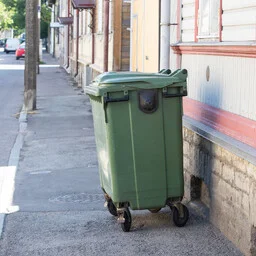
Põlva valla abivallavanem Rene Kintsiraud selgitas, kuidas see mõjutab inimesi. Näiteks korterelamus, kus on
suur prügikonteiner
. Varem maksis see 56 eurot, nüüd 66 eurot. Kui prügi võetakse ära 4 korda kuus, siis tuleb juurde 20-40 eurot. Selle maksavad
korteriomanikud
.
suur prügikonteiner
Tõlge fraasile: suur prügikonteiner
EN
large garbage container
korteriomanikud
Tõlge fraasile: korteriomanikud
EN
apartment owners
Uued hinnad puudutavad ka suurprügi äraandmist. Näiteks diivanid või
ehitusprügi
. Varem maksis prügitonn 60-70 eurot, nüüd maksab see 120-140 eurot. See on
suur hinnatõus
.
ehitusprügi
Tõlge fraasile: ehitusprügi
EN
construction waste
suur hinnatõus
Tõlge fraasile: suur hinnatõus
EN
significant price increase
Starting from July 1, waste transportation will cost more. Prices will increase by an average of 30-50%. This is related to new taxes for waste incineration and storage.
Many municipalities have already confirmed the new prices. Waste transportation now costs 2-3 times more. Waste carriers like Eesti Keskkonnateenused or Ragn-Sells pay more to the state for each ton of waste. Therefore, they requested price increases from municipalities.
Bruno Tammaru, head of Eesti Keskkonnateenused, says that the price increase primarily concerns mixed waste. These are waste bins where different types of waste are mixed. According to him, the reason is that waste is not sorted sufficiently in Estonia. The European Union wants us to sort waste more.
The majority of municipalities have accepted the new prices. This means that people now have to pay more for waste.
Rene Kintsiraud, deputy mayor of Põlva municipality, explained how this affects people. For example, in an apartment building with a large waste container. Previously it cost 56 euros, now 66 euros. If waste is collected 4 times a month, this adds 20-40 euros. Apartment owners will pay this.
The new prices also affect the disposal of bulky waste. For example, sofas or construction waste. Previously, a ton of waste cost 60-70 euros, now it costs 120-140 euros. This is a significant price increase.