
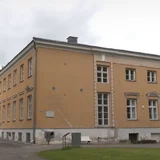
Räpina Music School has over 70 students. In recent years, students have been successful in competitions. However, the school has a problem: how to keep teachers employed.
Only four local teachers work at the school. The rest commute from Tartu. They came to work through friends or acquaintances. Director Marika Klimberg-Hyötyläinen says that attention must be shown to teachers. Then maybe they will stay. But salary is still a problem.
There are 87 music schools in Estonia. Nearly 9,800 students study there. Maintaining music schools is expensive for small municipalities. Most lessons are one-on-one.
Räpina mayor Mikk Tarros says that the salary of teachers with a master's degree is now equal to that of other teachers. But more could be done to find good teachers.
In rural areas, music teachers' salaries are often 1,100 euros. In the city, it can be 1,000 euros more. Often, rural schools can only offer part-time work.
The head of the Music Schools Union, Regina Eleena Suik, says that in rural areas, teachers have to work in several schools. This means a lot of driving. It's difficult, and there are few teachers.
In the future, the state may give more money to municipalities. Then municipalities can decide for themselves how to use the money. This could help music schools.