
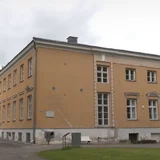
Räpina muusikakoolis õpib üle 70 õpilase. Õpilased on viimastel aastatel edukad võistlustel. Koolil on siiski probleem:
kuidas hoida õpetajaid tööl
.
kuidas hoida õpetajaid tööl
Tõlge fraasile: kuidas hoida õpetajaid tööl
EN
how to keep teachers at work
Koolis töötab ainult neli kohalikku õpetajat. Ülejäänud sõidavad Tartust. Nad tulid tööle sõprade või tuttavate kaudu. Direktor Marika Klimberg-Hyötyläinen ütleb, et
õpetajatele peab tähelepanu näitama
. Siis võib-olla nad jäävad. Aga
palk on ikkagi probleem
.
õpetajatele peab tähelepanu näitama
Tõlge fraasile: õpetajatele peab tähelepanu näitama
EN
teachers need to be shown attention
palk on ikkagi probleem
Tõlge fraasile: palk on ikkagi probleem
EN
salary is still a problem
Eestis on 87 muusikakooli. Neis õpib ligi 9800 õpilast. Väikestele valdadele on
muusikakoolide pidamine kallis
. Enamik õppetunde on ükshaaval.
muusikakoolide pidamine kallis
Tõlge fraasile: muusikakoolide pidamine kallis
EN
maintaining music schools is expensive
Räpina vallavanem Mikk Tarros ütleb, et
magistrikraadiga õpetajate palk
on nüüd võrdne teiste õpetajatega. Aga rohkem võiks teha, et leida häid õpetajaid.
magistrikraadiga õpetajate palk
Tõlge fraasile: magistrikraadiga õpetajate palk
EN
salary of teachers with a master's degree
Maal on muusikaõpetajate palk tihti 1100 eurot. Linnas võib see olla 1000 eurot suurem. Sageli saab maakool pakkuda ainult osalist tööd.
Muusikakoolide liidu juht Regina Eleena Suik ütleb, et
maal peavad õpetajad töötama mitmes koolis
.
See tähendab palju sõitmist
. See on raske ja õpetajaid on vähe.
maal peavad õpetajad töötama mitmes koolis
Tõlge fraasile: maal peavad õpetajad töötama mitmes koolis
EN
in rural areas, teachers have to work in several schools
See tähendab palju sõitmist
Tõlge fraasile: See tähendab palju sõitmist
EN
This means a lot of traveling
Tulevikus võib riik anda valdadele rohkem raha. Siis saavad vallad ise otsustada, kuidas raha kasutada. See võib aidata muusikakoolidel.
Räpina Music School has over 70 students. In recent years, students have been successful in competitions. However, the school has a problem: how to keep teachers employed.
Only four local teachers work at the school. The rest commute from Tartu. They came to work through friends or acquaintances. Director Marika Klimberg-Hyötyläinen says that attention must be shown to teachers. Then maybe they will stay. But salary is still a problem.
There are 87 music schools in Estonia. Nearly 9,800 students study there. Maintaining music schools is expensive for small municipalities. Most lessons are one-on-one.
Räpina mayor Mikk Tarros says that the salary of teachers with a master's degree is now equal to that of other teachers. But more could be done to find good teachers.
In rural areas, music teachers' salaries are often 1,100 euros. In the city, it can be 1,000 euros more. Often, rural schools can only offer part-time work.
The head of the Music Schools Union, Regina Eleena Suik, says that in rural areas, teachers have to work in several schools. This means a lot of driving. It's difficult, and there are few teachers.
In the future, the state may give more money to municipalities. Then municipalities can decide for themselves how to use the money. This could help music schools.