
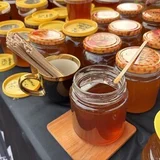
Euroopa Liidu uued reeglid
võivad teha
väikestele ettevõtetele
teistesse riikidesse müümise
kalliks ja keeruliseks.
Euroopa Liidu uued reeglid
Tõlge fraasile: Euroopa Liidu uued reeglid
EN
European Union's new rules
väikestele ettevõtetele
Tõlge fraasile: väikestele ettevõtetele
EN
for small businesses
teistesse riikidesse müümise
Tõlge fraasile: teistesse riikidesse müümise
EN
selling to other countries
Pakendimääruse eesmärk on
vähendada liigset pakendamist
ja jäätmeid. Samuti soovitakse
ühtseid reegleid kogu Euroopas
.
vähendada liigset pakendamist
Tõlge fraasile: vähendada liigset pakendamist
EN
reduce excessive packaging
ühtseid reegleid kogu Euroopas
Tõlge fraasile: ühtseid reegleid kogu Euroopas
EN
uniform rules across Europe
Kehtivad reeglid jõustuvad järk-järgult. Mõned reeglid hakkavad kehtima alles aastal 2030.
Patrick Child, Euroopa Komisjoni ametnik, rääkis Eestis väikeste ja keskmiste ettevõtete probleemidest.
Pakendimäärus võib põhjustada
ettevõtetele suuri kulusid
ja bürokraatiat. Child ütles, et see teema on arutamisel.
ettevõtetele suuri kulusid
Tõlge fraasile: ettevõtetele suuri kulusid
EN
significant costs for businesses
Ettevõtted peaksid olema valmis
uutesse tehnoloogiatesse investeerima
. See aitab neil tulevikus paremini hakkama saada.
uutesse tehnoloogiatesse investeerima
Tõlge fraasile: uutesse tehnoloogiatesse investeerima
EN
invest in new technologies
Väikeettevõtetele võib pakendimäärus osutuda liiga kulukaks. Child ütles, et sellega tuleb tegeleda.
Eesti soovib kehtestada mõned reeglid, mis on Euroopa reeglitest rangemad. Child ütles, et see on vastuvõetav.
Värskete köögiviljade
plastpakendamine piiratakse
alates 2030. aastast. Siiski on
mõned erandid võimalikud
.
plastpakendamine piiratakse
Tõlge fraasile: plastpakendamine piiratakse
EN
plastic packaging is restricted
mõned erandid võimalikud
Tõlge fraasile: mõned erandid võimalikud
EN
some exceptions are possible
Child rõhutas
, et
toidu kvaliteet ja ohutus
peavad olema alati esikohal.
Child rõhutas
Tõlge fraasile: Child rõhutas
EN
Child emphasized
toidu kvaliteet ja ohutus
Tõlge fraasile: toidu kvaliteet ja ohutus
EN
food quality and safety
The European Union's new rules may make selling to other countries expensive and complicated for small businesses.
The aim of the packaging regulation is to reduce excessive packaging and waste. Uniform rules across Europe are also recommended.
The current rules will come into force gradually. Some rules will only come into force in 2030.
Patrick Child, an official of the European Commission, spoke in Estonia about the problems of small and medium-sized enterprises.
The packaging regulation may cause significant costs and bureaucracy for businesses. Child said this topic is under discussion.
Businesses should be prepared to invest in new technologies. This will help them cope better in the future.
For small businesses, the packaging regulation may prove too costly. Child said this needs to be addressed.
Estonia wants to introduce some rules that are stricter than European regulations. Child said this is acceptable.
Plastic packaging of fresh vegetables will be restricted from 2030. However, some exceptions are possible.
Child emphasized that food quality and safety must always come first.