
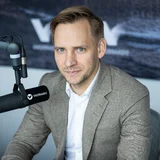
Edvard Garder on Confido meditsiinikeskuse juht. Ta usub, et perearstide süsteem on vananenud. Praegu kuulub perearstide nimistu perearstile või omavalitsusele. Garder arvab, et see ei ole enam vajalik.
Garder soovitab Soome eeskuju. Seal peavad kõik arstid töötama paar aastat üldarstina. See aitab noortel arstidel paremini tööd mõista. Samuti aitab see haiglaid, sest neil on rohkem töötajaid.
Eesti tervishoius on probleeme. Inimesed ei saa alati kiiresti arsti juurde. Põhjuseks on
arstide puudus
ja
halb korraldus
. Rahaga on ka probleeme. Tervisekassal on iga aasta raha puudu.
arstide puudus
Tõlge fraasile: arstide puudus
EN
shortage of doctors
halb korraldus
Tõlge fraasile: halb korraldus
EN
poor organization
Garder ei usu, et olukord paraneks. Ta arvab, et
raha probleem
ei lahene. Inflatsioon tõstab kulusid. Paljud uued kohustused lisavad kulutusi. Näiteks patsiendikindlustus või kiirabi rahastamine.
raha probleem
Tõlge fraasile: raha probleem
EN
money problem
Mida teha? Garder pakub mõningaid lahendusi. Üks variant on
tõsta makse
. Teine variant on
suurendada inimeste osalust
. Kolmas variant on kasvatada eratervisekindlustust. Kuid need on kõik rasked otsused.
tõsta makse
Tõlge fraasile: tõsta makse
EN
increase taxes
suurendada inimeste osalust
Tõlge fraasile: suurendada inimeste osalust
EN
increase people's participation
Garder arvab, et riik peaks rohkem kasutama
erameditsiin
i. Ta usub, et eraasutused on paindlikumad. Nad võimaldavad kiiremaid aegu, ka nädalavahetustel. Kui patsient saaks valida, kuhu minna, tekiks
konkurents
. See aitaks
parandada teenuse kvaliteeti
.
erameditsiin
Tõlge fraasile: erameditsiin
EN
private medicine
konkurents
Tõlge fraasile: konkurents
EN
competition
parandada teenuse kvaliteeti
Tõlge fraasile: parandada teenuse kvaliteeti
EN
improve service quality
Eesti haiglad on Garderi arvates head. Kuid ta ei usu suurte haiglatega. Tema arvates peaksid haiglad olema väiksemad ja paindlikumad. Nii saaks neid kergemini muuta vastavalt vajadusele.
Garder räägib ka AI-st. Ta usub, et
kunstlik intellekt
aitab arste. See võib kiirendada diagnostikat ja
vähendada koormust
. Kuid Eesti peab olema julgem AI kasutamisel. Vastasel juhul jääme teistest riikidest maha.
kunstlik intellekt
Tõlge fraasile: kunstlik intellekt
EN
artificial intelligence
vähendada koormust
Tõlge fraasile: vähendada koormust
EN
reduce workload
Edvard Garder is the head of Confido Medical Center. He believes that the family doctor system is outdated. Currently, the family doctor list belongs to the family doctor or the local government. Garder thinks that this is no longer necessary.
Garder recommends the Finnish model. There, all doctors must work as general practitioners for a few years. This helps young doctors better understand the work. It also helps hospitals, as they have more staff.
There are problems in Estonian healthcare. People don't always get to see a doctor quickly. The reasons are the lack of doctors and poor organization. There are also financial problems. The Health Insurance Fund lacks money every year.
Garder doesn't believe that the situation will improve. He thinks that the money problem will not be solved. Inflation increases costs. Many new obligations add expenses. For example, patient insurance or ambulance funding.
What to do? Garder offers some solutions. One option is to raise taxes. Another option is to increase people's participation. A third option is to grow private health insurance. But these are all difficult decisions.
Garder thinks that the state should use private medicine more. He believes that private institutions are more flexible. They allow faster appointments, even on weekends. If the patient could choose where to go, competition would arise. This would help improve the quality of services.
Estonian hospitals are, in Garder's opinion, good. But he doesn't believe in large hospitals. In his view, hospitals should be smaller and more flexible. This would make it easier to adapt them according to need.
Garder also talks about AI. He believes that artificial intelligence will help doctors. It can speed up diagnostics and reduce workload. But Estonia needs to be bolder in using AI. Otherwise, we will fall behind other countries.