
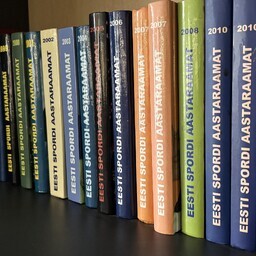
Eesti spordiajaloo selts palus spordikoolituse ja -teabe sihtasutusel muuta oma otsust lõpetada
spordi aastaraamat
ute trükkimine alates 2025. aastast.
spordi aastaraamat
Tõlge fraasile: spordi aastaraamat
EN
sports yearbook
Selts kirjutas kultuuriministeeriumile, spordikoolituse ja -teabe sihtasutuse nõukogule ja olümpiakomiteele ning palus neil vaadata otsust üle. Spordiajaloolased loodavad saada tuge kultuuriministrilt ja Eesti Olümpiakomitee presidendilt.
Spordikoolituse ja -teabe sihtasutuse liige Jarko Koort ütles, et spordiorganisatsioonid hindavad aastaraamatut kõrgelt ja rõhutavad selle kultuurilist tähtsust. Ta lubas kaasata spordiajaloo seltsi probleemi lahendamisse.
Spordiajaloolased kirjutasid palvetes, et nad tahavad, et kultuuriministeerium ja olümpiakomitee toetaksid
spordi aastaraamat
u paberil väljaandmist.
spordi aastaraamat
Tõlge fraasile: spordi aastaraamat
EN
sports yearbook
Seltsi sõnul ei saa
veebivariant
asendada raamatut. Veebis võib olla rohkem infot ja statistikat, kuid see peaks olema ainult lisaks
paberile trükitud raamat
ule.
veebivariant
Tõlge fraasile: veebivariant
EN
web version
paberile trükitud raamat
Tõlge fraasile: paberile trükitud raamat
EN
printed book
Spordiajaloolased ütlesid, et paberil raamat on paljudele uurijatele lihtsam kasutada. Paberil raamat säilib raamatukogudes ja uurijate riiulitel pikka aega, erinevalt digitaalsest versioonist.
Selts lisas, et
spordi aastaraamat
ute trükkimine on üle saja aasta vana traditsioon ja selle katkestamine oleks
kultuurivastane samm
.
spordi aastaraamat
Tõlge fraasile: spordi aastaraamat
EN
sports yearbook
kultuurivastane samm
Tõlge fraasile: kultuurivastane samm
EN
step against culture
Spordiajaloolased rõhutasid, et Eesti spordi statistika on parem kui naaberriikidel ja seepärast ei tohiks seda traditsiooni lõpetada.
Lõpuks ütles selts, et aastaraamat ei pea olema pildiraamat ja saab olla väikese tiraažiga, kuid see peaks jääma alles ka tulevastele põlvedele.
The Estonian Society for Sports History requested the Foundation for Sport Education and Information to change its decision to cease printing sports yearbooks from 2025.
The society wrote to the Ministry of Culture, the council of the Foundation for Sport Education and Information, and the Olympic Committee, asking them to review the decision. Sports historians hope to receive support from the Minister of Culture and the President of the Estonian Olympic Committee.
Jarko Koort, a member of the Foundation for Sport Education and Information, stated that sports organizations highly value the yearbook and emphasize its cultural significance. He promised to involve the Society for Sports History in resolving the issue.
In their appeals, sports historians expressed their desire for the Ministry of Culture and the Olympic Committee to support the publication of the sports yearbook in print.
According to the society, the online version cannot replace the book. The web may contain more information and statistics, but it should only complement the printed book.
Sports historians noted that a printed book is easier to use for many researchers. A printed book remains in libraries and on researchers' shelves for a long time, unlike the digital version.
The society added that the printing of sports yearbooks is a tradition over a hundred years old, and discontinuing it would be a step against culture.
Sports historians emphasized that Estonia's sports statistics are better than those of neighboring countries, and therefore this tradition should not be ended.
Finally, the society stated that the yearbook doesn’t need to be a picture book and can have a small print run, but it should remain for future generations.