
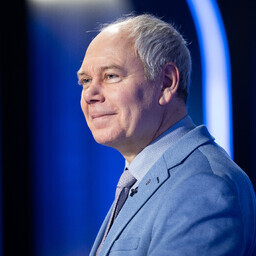
Priit Reiska ütleb, et Eesti ülikoolides on akadeemilise vabadusega väga hästi. Ta räägib, et Tallinna Ülikool on varem olnud häbelik oma
õpetajate koolitus
e osas. Nüüd aga on soov
õpetajaks saada
noorte seas kasvanud.
õpetajate koolitus
Tõlge fraasile: õpetajate koolitus
EN
teacher training
õpetajaks saada
Tõlge fraasile: õpetajaks saada
EN
to become a teacher
Reiska ütleb, et Tallinna Ülikool on Eesti parim õpetajate koolitaja. Kuid varem pole seda piisavalt rõhutatud. Ülikool loodi 21 aastat tagasi erinevate osapoolte poolt. Nende hulgas oli rakenduskõrgkooli, erakõrgkooli ja raamatukogu.
Õpetajate koolitus on üks ülikooli tähtsamaid ülesandeid. Loodusainete õpetajate puudus on suur. Näiteks ühes koolis oli 70-aastane füüsikaõpetaja noorim kahest õpetajast. Riigikontrolli andmetel ei vasta paljud õpetajad kvalifikatsiooninõuetele.
Siiski on julgustav, et loodusainete õpetajateks õppida soovijaid on rohkem. Nelja aasta eest oli neid seitse, nüüd on 27. Kuid see ei piisa kvalifitseeritud õpetajate koolitamiseks. Selleks pakuvad mikrokraade.
Reiska ei nõustu, et ülikool peaks keskenduma ainult
õpetajate koolitus
ele. Tal on ka teisi tähtsaid ülesandeid. Näiteks
unikaalsed erialad
, mida mujal ei õpetata.
õpetajate koolitus
Tõlge fraasile: õpetajate koolitus
EN
teacher training
unikaalsed erialad
Tõlge fraasile: unikaalsed erialad
EN
unique specialties
Haridusministeerium ja Tallinna Ülikool vaidlevad juristide koolituse üle. Ülikool tahab suurendada
õpetajate koolitus
t, kuid ministeeerium ei anna selleks lisaraha. Reiska loodab, et kohtusse minna ei pea.
õpetajate koolitus
Tõlge fraasile: õpetajate koolitus
EN
teacher training
Reiska arutleb ülikoolide tuleviku üle. Ta usub, et
ülikoolide liitmine
ei anna praegu kasu. Iga ülikool on oma eripäraga. Koostöö on oluline, eriti
õpetajate koolitus
es.
ülikoolide liitmine
Tõlge fraasile: ülikoolide liitmine
EN
merger of universities
õpetajate koolitus
Tõlge fraasile: õpetajate koolitus
EN
teacher training
Üliõpilased peavad tihti õppimise kõrvalt töötama. See võib pikendada
õppeaeg
a. Reiska mõistab seda, sest elu on kallim kui varem. Kuid ta tahaks, et üliõpilased saaksid keskenduda õppimisele.
õppeaeg
Tõlge fraasile: õppeaeg
EN
study period
Reiska räägib ka akadeemilisest vabadusest. Ta usub, et Eesti ülikoolides on see väga hea. Läänes võib olla probleeme, kui ühes kohas kogunevad inimesed sarnaste vaadetega. Eestis on erinevaid ülikoole, mis on oluline.
Lõpuks ütleb Reiska, et ülikoolid peaksid rohkem tegema koostööd tööandjatega. Ühiskond vajab haritud inimesi. Kõrgharidus on
investeering tulevikku
.
investeering tulevikku
Tõlge fraasile: investeering tulevikku
EN
investment in the future
Priit Reiska says that academic freedom in Estonian universities is in very good shape. He mentions that Tallinn University has previously been modest about its teacher training. However, the desire to become a teacher has grown among young people.
Reiska states that Tallinn University is Estonia’s best teacher trainer. However, this has not been emphasized enough in the past. The university was founded 21 years ago by various stakeholders, including a vocational college, a private college, and a library.
Teacher training is one of the university’s most important tasks. There is a significant shortage of science teachers. For example, in one school, a 70-year-old physics teacher was the younger of two teachers. According to the National Audit Office, many teachers do not meet qualification requirements.
Nevertheless, it is encouraging that there are more people wanting to become science teachers. Four years ago, there were seven, now there are 27. However, this is not enough to train qualified teachers. For this, micro-degrees are offered.
Reiska does not agree that the university should focus solely on teacher training. It also has other important tasks, such as unique fields of study not taught elsewhere.
The Ministry of Education and Tallinn University are in dispute over the training of lawyers. The university wants to increase teacher training, but the ministry is not providing additional funding. Reiska hopes that it won’t come to a lawsuit.
Reiska reflects on the future of universities. He believes that merging universities would not be beneficial at the moment. Each university has its own uniqueness. Cooperation is important, especially in teacher training.
Students often have to work while studying, which can extend their study period. Reiska understands this, as life is more expensive than before. However, he wishes students could focus more on their studies.
Reiska also talks about academic freedom. He believes it is very strong in Estonian universities. In the West, there can be problems when people with similar views gather in one place. In Estonia, there are diverse universities, which is important.
Finally, Reiska says universities should collaborate more with employers. Society needs educated people. Higher education is an investment in the future.