
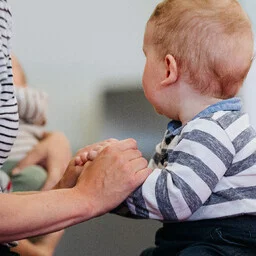
Viimase viie aasta jooksul on sotsiaalkindlustusameti poole pöördunud 335 inimest. Nad tahavad teada oma lapsendamise ja bioloogilise päritolu kohta. Mõned pered hoiavad lapsendamist saladuses. Aga tõe selgumine võib kõigi
suhteid parandada
.
suhteid parandada
Tõlge fraasile: suhteid parandada
EN
improve relationships
Lapsendatud inimesed hakkavad oma juurte otsimist alustama sageli lapsepõlves. Näiteks Eva Näf lapsendati juba sünnitusmajas. Eva ei saanud pikalt oma vanematelt kinnitust. Ta hakkas otsima sünnitusmajast ja arhiividest. Lõpuks ta leidis kontaktid oma bioloogiliste vanematega. 'Mu bioloogiline ema suri kuu aega tagasi. Mul on õed-vennad ja nad küsisid, kas ma tahaksin nendega suhelda. Ma tahtsin ja kuu aega hiljem me kohtusime,' ütles Näf.
Sotsiaalkindlustusameti spetsialist Elo Tenusaar ütleb, et
tausta teadmine
on inimlik vajadus. Inimesed tahavad teada, kust nende
iseloom ja välimus
tulevad. Eelmisel aastal esitas ametile avalduse 52 inimest. 28-le õnnestus anda soovitud
kontaktandmed
. Protsessi takistavad sageli hirmud. 'Inimesed kardavad, et nad võivad oma lähedastele haiget teha. Nad kardavad hukkamõistu, peresuhete halvenemist,' ütles Tenusaar.
tausta teadmine
Tõlge fraasile: tausta teadmine
EN
knowledge of background
iseloom ja välimus
Tõlge fraasile: iseloom ja välimus
EN
character and appearance
kontaktandmed
Tõlge fraasile: kontaktandmed
EN
contact information
Nõukogude ajal oli tavaline lapsendamist varjata. Aastatel 1970 kuni 1995 oli Eestis lubatud muuta lapsendatud lapse sünniaega kuni kolme kuu võrra. See on tekitanud tänapäeval ootamatuid avastusi. Näf on üks neist, kellel on kaks sünnipäeva. 'Mu abikaasa sündis täpselt nende kahe nädala vahel. Ma võin olla temast nii noorem kui vanem,' ütles Näf.
Riik valmistab praegu ette
seadusemuudatus
t. See annaks lapsendatud inimesele õiguse teada oma lapsendamise kohta. 'Last lapsendades ei saa
lapse minevik
ku peita. See on osa temast. Me tahame, et meie lähedased oleksid meiega ausad,' ütles Tenusaar.
seadusemuudatus
Tõlge fraasile: seadusemuudatus
EN
legislative amendment
lapse minevik
Tõlge fraasile: lapse minevik
EN
child's past
Näf ütleb: 'Ma tean nüüd, kes ma olen ja kust ma tulen. See mu teeb kindlasti elu lihtsamaks.' Tenusaar ütleb, et veel ei ole teada, millal
seadusemuudatus
jõustub.
seadusemuudatus
Tõlge fraasile: seadusemuudatus
EN
legislative amendment
Over the past five years, 335 people have turned to the Social Insurance Board. They want to know about their adoption and biological origins. Some families keep adoptions secret. But the truth can improve everyone's relationships.
Adopted people often start searching for their roots in childhood. For example, Eva Näf was adopted already in the maternity hospital. Eva did not receive confirmation from her parents for a long time. She started searching in the maternity hospital and archives. Finally, she found contacts with her biological parents. 'My biological mother died a month ago. I have siblings, and they asked if I would like to communicate with them. I wanted to, and a month later we met,' said Näf.
Social Insurance Board specialist Elo Tenusaar says that knowing one's background is a human need. People want to know where their character and appearance come from. Last year, 52 people applied to the department. 28 were able to receive the desired contact information. Fears often hinder the process. 'People are afraid that they might hurt their loved ones. They fear judgment, the deterioration of family relationships,' said Tenusaar.
During the Soviet era, it was common to hide adoptions. From 1970 to 1995, it was allowed in Estonia to change the birth date of an adopted child by up to three months. This has led to unexpected discoveries today. Näf is one of those who has two birthdays. 'My husband was born exactly between those two weeks. I can be both younger and older than him,' said Näf.
The state is currently preparing a legislative amendment. It would give adopted people the right to know about their adoption. 'When adopting a child, one cannot hide the child's past. It is part of them. We want our loved ones to be honest with us,' said Tenusaar.
Näf says: 'I now know who I am and where I come from. It definitely makes life easier.' Tenusaar says it is still unknown when the legislative amendment will come into effect.