
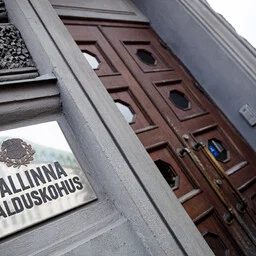
Tallinna halduskohus tühistas ERJK otsuse
. ERJK oli käskinud neljal erakonnal tagastada raha sihtasutusele SALK.
Kohus leidis, et ERJK ei teinud oma tööd korralikult
.
Tallinna halduskohus tühistas ERJK otsuse
Tõlge fraasile: Tallinna halduskohus tühistas ERJK otsuse
EN
Tallinn Administrative Court overturned the ERJK decision
Kohus leidis, et ERJK ei teinud oma tööd korralikult
Tõlge fraasile: Kohus leidis, et ERJK ei teinud oma tööd korralikult
EN
The court found that ERJK did not do its job properly
Kohus ütles, et ERJK ei kontrollinud, kas SALK tegi midagi halba.
SALK jagas uuringuandmeid ka teistele
. Seega ei pruukinud see olla
salajane tegevus
. Kohus lisas, et ERJK ei uurinud, kas tegemist oli tasulise või vabatahtliku tööga.
SALK jagas uuringuandmeid ka teistele
Tõlge fraasile: SALK jagas uuringuandmeid ka teistele
EN
SALK also shared research data with others
salajane tegevus
Tõlge fraasile: salajane tegevus
EN
secret activity
Kohus leidis, et
ERJK otsusel olid suured vead
. ERJK
ei kogunud piisavalt tõendeid
. Kahtlusest ei piisa, et otsustada. Erakonnad ei saanud ka enda kaitseks rääkida, sest ERJK ei andnud neile kõiki andmeid.
ERJK otsusel olid suured vead
Tõlge fraasile: ERJK otsusel olid suured vead
EN
The ERJK decision had major flaws
ei kogunud piisavalt tõendeid
Tõlge fraasile: ei kogunud piisavalt tõendeid
EN
did not gather enough evidence
Kohtuotsus ei ole veel lõplik
. Selle peale
saab edasi kaevata
. Reformierakond, Eesti 200, Sotsiaaldemokraadid ja Keskerakond olid ERJK otsuse vastu kohtusse läinud.
Kohtuotsus ei ole veel lõplik
Tõlge fraasile: Kohtuotsus ei ole veel lõplik
EN
The court decision is not yet final
saab edasi kaevata
Tõlge fraasile: saab edasi kaevata
EN
can be appealed further
ERJK oli märtsis otsustanud, et
erakonnad peavad SALK-ile tagasi maksma
92 572 eurot. ERJK arvas, et SALK andis erakondadele
tasuta teenuseid
. Need teenused olid
uuringuandmete jagamine ja nõustamine
.
erakonnad peavad SALK-ile tagasi maksma
Tõlge fraasile: erakonnad peavad SALK-ile tagasi maksma
EN
parties must repay SALK
tasuta teenuseid
Tõlge fraasile: tasuta teenuseid
EN
free services
uuringuandmete jagamine ja nõustamine
Tõlge fraasile: uuringuandmete jagamine ja nõustamine
EN
sharing research data and consulting
Kohus selgitas, et
seadus keelab erakondadele salajased teenused
. See on keelatud, et
poliitika oleks aus
. Kuid kohus rõhutas ka, et erakonnad ja kodanikud võivad vabalt suhelda. Nad võivad jagada infot ja arvamusi.
seadus keelab erakondadele salajased teenused
Tõlge fraasile: seadus keelab erakondadele salajased teenused
EN
the law prohibits secret services for parties
poliitika oleks aus
Tõlge fraasile: poliitika oleks aus
EN
politics would be fair
The Tallinn Administrative Court overturned an ERJK decision. ERJK had ordered four political parties to return money to the SALK foundation. The court found that ERJK did not do its job properly.
The court stated that ERJK did not check whether SALK did anything wrong. SALK shared research data with others as well. Therefore, it might not have been a secret activity. The court added that ERJK did not investigate whether it was paid or voluntary work.
The court found that the ERJK decision had major flaws. ERJK did not gather sufficient evidence. Suspicion alone is not enough to make a decision. The parties were also unable to defend themselves because ERJK did not provide them with all the data.
The court ruling is not yet final. It can still be appealed. The Reform Party, Eesti 200, the Social Democrats, and the Center Party had challenged the ERJK decision in court.
In March, ERJK had decided that the parties must repay 92,572 euros to SALK. ERJK believed that SALK provided free services to the parties. These services included sharing research data and consulting.
The court clarified that the law prohibits secret services to political parties. This is forbidden to ensure fair politics. However, the court also emphasized that parties and citizens can communicate freely. They can share information and opinions.