
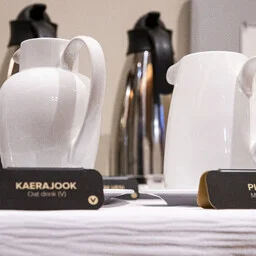
Euroopas moodustavad veganid, taimetoitlased ja liha tarbimise vähendajad juba 13–42 protsenti elanikest. Sellepärast kasvab
taimse toidu osakaal
kiiresti.
taimse toidu osakaal
Tõlge fraasile: taimse toidu osakaal
EN
share of plant-based food
2020. aastal müüdi
taimseid alternatiivtoodeid
maailmas 30 miljardi dollari eest. 2030. aastaks võib nende müük kasvada 162 miljardi dollarini. Taimsete piimaalternatiivide müük kasvab veel kiiremini.
taimseid alternatiivtoodeid
Tõlge fraasile: taimseid alternatiivtoodeid
EN
plant-based alternative products
Tootmine kasvab kiiresti, kuid meil ei ole piisavalt teavet nende toodete
kvaliteedi ja ohutuse kohta
. Eesti teadlased teevad uuringut, et seda selgitada.
kvaliteedi ja ohutuse kohta
Tõlge fraasile: kvaliteedi ja ohutuse kohta
EN
about quality and safety
Uuringus analüüsitakse sadu Eestis müüdavaid alternatiivtoodeid. Tehakse tuhandeid
mikrobioloogilisi ja keemilisi analüüse
. Seni on tulemused pigem head.
mikrobioloogilisi ja keemilisi analüüse
Tõlge fraasile: mikrobioloogilisi ja keemilisi analüüse
EN
microbiological and chemical analyses
Ootamatult leiti palju
baktereid, mida ei ole seni toiduohtudena arvestatud
. Mõned bakterid võivad teatud olukordades inimesi haigestada.
baktereid, mida ei ole seni toiduohtudena arvestatud
Tõlge fraasile: baktereid, mida ei ole seni toiduohtudena arvestatud
EN
bacteria not previously considered as food hazards
Lisaks leiti alternatiivtoodetest haiglate baktereid, mis on
resistentsed antibiootikumidele
. See on murettekitav, sest need antibiootikumid kasutatakse raskete infektsioonide raviks.
resistentsed antibiootikumidele
Tõlge fraasile: resistentsed antibiootikumidele
EN
resistant to antibiotics
Alternatiivtoodete
säilivusaeg võib olla liiga pikk
. Selles võivad olla keemilised ohtud, nagu maloondialdehüüd, mis on
potentsiaalselt vähki tekitav
.
säilivusaeg võib olla liiga pikk
Tõlge fraasile: säilivusaeg võib olla liiga pikk
EN
shelf life may be too long
potentsiaalselt vähki tekitav
Tõlge fraasile: potentsiaalselt vähki tekitav
EN
potentially carcinogenic
Teatud alternatiivtooteid tuleb enne söömist kuumutada. Kuid liiga kuumutamine võib tekitada akrüülamiidi, mis on samuti potentsiaalselt ohtlik.
Tarbijatel tuleks
tarbida alternatiivtooteid mõõdukalt ja mitmekülgselt
. Lisaks tuleks jälgida säilimisaega ning
säilitada toidud õiges temperatuuris
.
tarbida alternatiivtooteid mõõdukalt ja mitmekülgselt
Tõlge fraasile: tarbida alternatiivtooteid mõõdukalt ja mitmekülgselt
EN
consume alternative products moderately and diversely
säilitada toidud õiges temperatuuris
Tõlge fraasile: säilitada toidud õiges temperatuuris
EN
store food at the correct temperature
See uuring
annab tarbijatele ja tootjatele vajalikku teavet
alternatiivtoodete ohutuse ja kvaliteedi kohta.
annab tarbijatele ja tootjatele vajalikku teavet
Tõlge fraasile: annab tarbijatele ja tootjatele vajalikku teavet
EN
provides consumers and producers with necessary information
In Europe, vegans, vegetarians, and meat reducers already make up 13–42% of the population. Therefore, the share of plant-based food is growing rapidly.
In 2020, plant-based alternative products were sold worldwide for $30 billion. By 2030, their sales could grow to $162 billion. The sales of plant-based milk alternatives are growing even faster.
Production is growing rapidly, but we do not have enough information about the quality and safety of these products. Estonian scientists are conducting a study to clarify this.
The study analyzes hundreds of alternative products sold in Estonia. Thousands of microbiological and chemical analyses are being performed. So far, the results are rather good.
Unexpectedly, many bacteria were found that have not previously been considered food hazards. Some bacteria can make people sick under certain conditions.
In addition, hospital bacteria resistant to antibiotics were found in alternative products. This is concerning because these antibiotics are used to treat severe infections.
The shelf life of alternative products may be too long. This could pose chemical hazards, such as malondialdehyde, which is potentially carcinogenic.
Certain alternative products should be heated before consumption. However, excessive heating can produce acrylamide, which is also potentially harmful.
Consumers should consume alternative products in moderation and diversify their diet. Additionally, they should monitor expiration dates and store food at the correct temperature.
This study provides consumers and producers with essential information about the safety and quality of alternative products.