
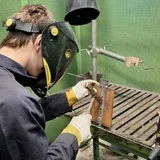
Sügisest saavad noored õppima uute nelja-aastaste kutseõppekavade järgi. Reformi eesmärk on teha kutseharidusest parem valik gümnaasiumi kõrval. Noored saavad nii tugeva erialase kui ka
üldharidus
e.
üldharidus
Tõlge fraasile: üldharidus
EN
general education
Haridusministeeriumi juhataja Raino Liblik ütles, et kutseharidus peaks andma noortele rohkem võimalusi. Tööle asumine ja
kõrgkooli minek
peaks olema lihtsam. Üldainete rohkem õppimine aitab riigieksamite ja kõrgkooliga.
kõrgkooli minek
Tõlge fraasile: kõrgkooli minek
EN
going to university
Uued õppekavad on näiteks IT, ehitusehnoloogia, logistika ja
digitehnoloogia
. Lisanduvad ka
metsandus
,
põllumajandus
ja
veterinaaria
. Noored eelistavad siiski inseneeria- ja IT-valdkonda.
digitehnoloogia
Tõlge fraasile: digitehnoloogia
EN
digital technology
metsandus
Tõlge fraasile: metsandus
EN
forestry
põllumajandus
Tõlge fraasile: põllumajandus
EN
agriculture
veterinaaria
Tõlge fraasile: veterinaaria
EN
veterinary medicine
Õppimine on nüüd paindlikum. Kui õppur ei tunne, et erialas sobib, saab seda muuta. Tööturu vajadused ja noorte eelistused ei pruugi kokku langeda. Tubasemad erialad on populaarsemad, kuid tööturg vajab rohkem mittetubaseid erialasid.
Kutseõppe vastu on kõige rohkem huvi Harju- ja Tartumaal. Kagu-Eestis ja Ida-Virumaal on õpilaste arv vähenenud. Seal on vähem noori. Oluline on pakkuda võimalusi ka väiksemates piirkondades.
Iga noor peab saama hariduse, mis sobib talle. See annab talle head võimalused tööturule või edasiõppimiseks. Reform on seotud kohustusliku õppe pikenemisega 18. eluaastani. See aitab vähendada õpingute katkestamist.
Starting this autumn, young people can study according to new four-year vocational curricula. The aim of the reform is to make vocational education a better choice alongside high school. Young people will receive both strong vocational and general education.
The head of the Ministry of Education, Raino Liblik, said that vocational education should give young people more opportunities. Entering the workforce and going to university should be easier. Studying more general subjects helps with state exams and higher education.
The new curricula include IT, construction technology, logistics, and digital technology. Forestry, agriculture, and veterinary medicine are also being added. However, young people still prefer engineering and IT fields.
Learning is now more flexible. If a student feels that a field is not suitable, they can change it. The needs of the labor market and the preferences of young people may not coincide. White-collar fields are more popular, but the labor market needs more blue-collar professions.
The most interest in vocational education is in Harju and Tartu counties. In southeastern Estonia and Ida-Viru County, the number of students has decreased. There are fewer young people there. It is important to offer opportunities in smaller regions as well.
Every young person should receive an education that suits them. This gives them good opportunities for the labor market or further studies. The reform is related to the extension of compulsory education until the age of 18. This helps reduce dropout rates.