
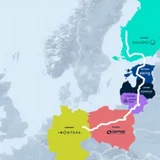
At the beginning of this year, the government initiated a special planning process. The goal is to find a suitable location for hydrogen pipelines in Estonia. A consultant is still being sought.
The project is large and important. Planning requires studies and analyses. Close cooperation with various stakeholders is also needed. The project involves 24 municipalities.
It is hoped that the project preparation will proceed as planned. By the new year, the aim is to outline the routes. These can then be presented to landowners.
Currently, discussions are underway about whether the route will go along the bottom of the Baltic Sea. This would connect Finland and Germany. If the route is overland, Estonia could become a link between the Nordic countries and Central Europe's energy network.
The project will help strengthen energy security. Additionally, it will bring new investments to Estonia and aid in the development of the hydrogen economy.
When selecting the route, preference is given to using existing gas and electricity infrastructure. This is done to use as little new land as possible.
Estonia has sparse population density and many areas of natural beauty. Therefore, it is difficult to find a location where the pipeline would have minimal environmental impact.
The hydrogen pipeline is not dangerous to people or the environment. The main impact occurs only during construction.
The project's progress depends on the success of the special planning and the schedules of other countries. The investment decision will be made in early 2030. The infrastructure could be completed by 2035.
The project is necessary because 80 companies have expressed interest in hydrogen production or consumption.
This week, the submission of procurement proposals for the special planning ended. The ministry will begin reviewing the proposals and will sign a contract by October at the latest.