
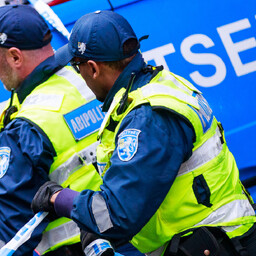
Assistant police officers help the police. They have been doing this for 30 years.
Currently, they patrol and ensure everything is in order.
The Ministry of the Interior wants to give them more work.
In the future, they may help guard the state border and issue documents.
Some people do not want to patrol but want to help.
New tasks will give them the opportunity to assist.
Assistant police officers will be able to use more tools.
They can guide intoxicated individuals to a breathalyzer.
They can check people's data.
Assistant police officers can help before the police arrive on the scene.
This saves the police time.
Assistant police officers cannot investigate crimes.
That remains the responsibility of police officers.
For new tasks, assistant police officers will need to study more.
Their training will last 150 hours in the future, not 40 hours.
Assistant police officers will be divided into three levels.
Some will assist in the office, others will patrol.
Currently, there are 1235 assistant police officers.
The new rules may come into effect in 2027.