
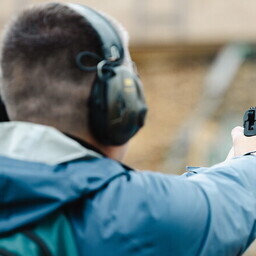
Currently, firearm exams are organized by the Police and Border Guard Board (PPA). PPA does not have enough shooting ranges. This creates long waiting lists and makes it difficult to take the exam, especially in smaller towns.
PPA's shooting ranges are mainly used for police officer training. Therefore, the timing of firearm exams varies – from once a week to once every two months. This arrangement is not flexible enough.
The Ministry of the Interior wants to increase the availability and flexibility of firearm exams. It also wants to maintain high safety and quality standards. For this, a new law is needed that allows for the organization of exams by private companies.
The Prosecutor's Office does not support this plan. They do not see a clear benefit and fear that the cost of the exam will increase. The Prosecutor's Office believes that PPA could improve the organization of exams by hiring more staff or building additional shooting ranges.
The Prosecutor's Office also noted that private companies operate for profit. Monitoring them would increase the administrative burden on the state. The cost of exams could rise for gun owners, as private companies want to make a profit.
The Prosecutor's Office also doubts the possibility of corruption in the organization of exams. Additionally, the plan lacks a comparison with other countries.
PPA organizes firearm exams in larger cities, such as Tallinn, Tartu, and Pärnu. In some places, shooting ranges are rented from private companies. If there is no shooting range, the examinee is directed elsewhere.
PPA predicts that an average of 3,200 firearm exams will be taken annually from 2024 to 2027. In 2024, 679 new firearm license applications and 4,748 renewal applications were submitted to PPA.
In Estonia, 23,429 individuals and 72 companies have valid firearm licenses. A total of 55,914 firearms are in private possession.