
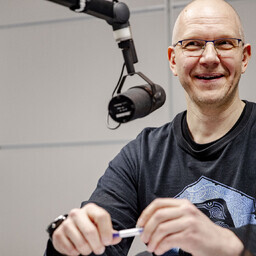
Marko Mägi says that independent science is the best environmental policy. Science helps make better decisions for nature. However, aggressive lobbying and opinion leaders skew information in favor of business interests.
Well-planned urban nature is a good investment in health. A diverse urban environment supports wildlife and provides mental and physical health benefits to people. Biodiversity is beneficial for everyone.
The economy must fit into the environment, not the other way around. A nature-centric approach ensures a better future. Preserving natural resources helps avoid economic problems.
People often do disservices to nature. For example, feeding birds in winter only helps strong species like crows and pigeons. This harms other birds.
Marko Mägi does not want to be called an ornithologist. Ornithology is a scientific field that requires professional education. An ordinary birdwatcher is not an ornithologist.
His favorite spot in Tartu is a grove by the Emajõgi River. There is plenty of nature there—fungi, insects, and animals. He talks about how a dormouse looked at him there, making his day special.
There should be enough nature in cities for animals to thrive. Green corridors help animals move around. Tartu has done well with this, but Tallinn is too stone-heavy.
People should interfere less with nature. For example, not every bird or animal needs to be rescued. Nature must be able to manage on its own. Feeding birds in winter is not always necessary.
Cats should be kept indoors during the breeding season to prevent them from killing birds. Birds are important for the balance of nature. People should understand and respect nature more.
Marko Mägi enjoys books, especially those about birds. He reads every day and finds it the best way to relax. He recommends everyone spend time in nature and appreciate it.