
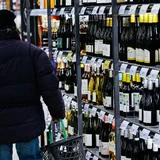
Maaleht kirjutas, et riik soovib uurida müügiloasüsteemi.
Sotsiaalministeeriumi juht Brigitta Õunmaa ütles, et kui
müügiload muutuvad tasuliseks
, siis
lillepoed ja muud väikesed poed
ei pruugi enam loa taotleda.
müügiload muutuvad tasuliseks
Tõlge fraasile: müügiload muutuvad tasuliseks
EN
sales licenses become fee-based
lillepoed ja muud väikesed poed
Tõlge fraasile: lillepoed ja muud väikesed poed
EN
flower shops and other small shops
Müügiloa hinda pole veel otsustatud. Hind selgub pärast analüüsi, mis uurib
teiste riikide kogemusi
.
teiste riikide kogemusi
Tõlge fraasile: teiste riikide kogemusi
EN
experiences of other countries
Õunmaa ütles, et teistes riikides maksab
müügiloa saamine aastas umbes 200 eurot
. See paneks ettevõtjaid mõtlema, kas alkoholi müümine on neile vajalik.
müügiloa saamine aastas umbes 200 eurot
Tõlge fraasile: müügiloa saamine aastas umbes 200 eurot
EN
obtaining a sales license costs about 200 euros per year
Lisaks aitaks tasuline müügiloa
hoida registriandmeid korras
.
hoida registriandmeid korras
Tõlge fraasile: hoida registriandmeid korras
EN
keep registry data in order
Õunmaa ütles, et Eesti peaks arvestama teiste riikide kogemustega. Näiteks, mõnes riigis sõltub müügiloa hind
piirkonna müügikohtade tihedusest
: mida rohkem müügikohti, seda kallim luba.
piirkonna müügikohtade tihedusest
Tõlge fraasile: piirkonna müügikohtade tihedusest
EN
density of sales points in the area
Ka on mitmes riigis nõuded, et
kriminaalkorras karistatud isikud
ei saa alkoholimüügiluba. Samuti on levinud
kohustuslikud koolitused alkoholit müüvatele teenindajatele
.
kriminaalkorras karistatud isikud
Tõlge fraasile: kriminaalkorras karistatud isikud
EN
persons convicted of criminal offenses
kohustuslikud koolitused alkoholit müüvatele teenindajatele
Tõlge fraasile: kohustuslikud koolitused alkoholit müüvatele teenindajatele
EN
mandatory training for alcohol sales staff
Maaleht kirjutas, et tasulise müügiloa kehtestamine
võtab aega
. See nõuab
pikka ettevalmistust
: tuleb koostada väljatöötamiskavatsus, kaasata osalised ja läbida
eelnõu protsess
.
võtab aega
Tõlge fraasile: võtab aega
EN
takes time
pikka ettevalmistust
Tõlge fraasile: pikka ettevalmistust
EN
lengthy preparation
eelnõu protsess
Tõlge fraasile: eelnõu protsess
EN
drafting process
See sõltub ka poliitilisest otsusest.
Maaleht rõhutas, et Eestis kasvas sel aastal
alkoholi müügikohtade arv üle 10 000
. See on elanike arvu suhtes rohkem kui Lätis ja Leedus.
alkoholi müügikohtade arv üle 10 000
Tõlge fraasile: alkoholi müügikohtade arv üle 10 000
EN
number of alcohol sales points over 10,000
Maaleht wrote that the state wants to examine the sales license system.
The head of the Ministry of Social Affairs, Brigitta Õunmaa, said that if sales licenses become paid, flower shops and other small stores may no longer apply for them.
The price of the sales license has not yet been decided. The price will be determined after an analysis that examines the experiences of other countries.
Õunmaa said that in other countries, obtaining a sales license costs about 200 euros per year. This would make entrepreneurs consider whether selling alcohol is necessary for them.
Additionally, a paid sales license would help keep registry data in order.
Õunmaa said that Estonia should consider the experiences of other countries. For example, in some countries, the price of a sales license depends on the density of sales outlets in the region: the more sales outlets, the more expensive the license.
Also, in several countries, there are requirements that individuals convicted criminally cannot obtain an alcohol sales license. Mandatory training for sales staff selling alcohol is also common.
Maaleht wrote that implementing a paid sales license will take time. It requires lengthy preparation: a development plan must be drafted, stakeholders involved, and the bill process completed.
It also depends on a political decision.
Maaleht emphasized that the number of alcohol sales outlets in Estonia this year has grown to over 10,000. This is more per capita than in Latvia and Lithuania.