
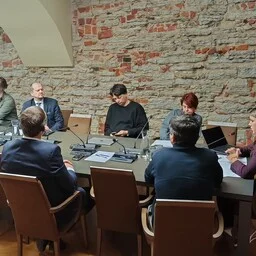
Korruptsioonivastane erikomisjon
tahab seada piiri ametnike liikumisele. Nad ei saa kohe minna
tööle ettevõtetesse
, kus nad võisid otsusteid teha.
Korruptsioonivastane erikomisjon
Tõlge fraasile: Korruptsioonivastane erikomisjon
EN
Anti-Corruption Special Commission
tööle ettevõtetesse
Tõlge fraasile: tööle ettevõtetesse
EN
go to work for companies
Komisjon tahab, et ametnike liikumist jälgitaks. See aitab vältida probleeme, kui ametnik
kasutab oma teadmisi ebaõiglaselt
. Uus seadus võimaldab
keelata uue töö alustamise
kuni aastaks.
kasutab oma teadmisi ebaõiglaselt
Tõlge fraasile: kasutab oma teadmisi ebaõiglaselt
EN
use their knowledge unfairly
keelata uue töö alustamise
Tõlge fraasile: keelata uue töö alustamise
EN
prohibit starting new work
See meetod on õiglane, sest see aitab
vältida konflikte
. Ametnikel on tihti
ligipääs tundlikule infole
. See info ei peaks
lekima erasektorisse
.
vältida konflikte
Tõlge fraasile: vältida konflikte
EN
avoid conflicts
ligipääs tundlikule infole
Tõlge fraasile: ligipääs tundlikule infole
EN
access to sensitive information
lekima erasektorisse
Tõlge fraasile: lekima erasektorisse
EN
leak into the private sector
Kaitsepolitsei on märkinud, et probleem on
suur riigikaitse ja energia valdkonnas
. Uus seadus ei taha
takistada ametnike liikumist
, vaid
vältida riske
.
suur riigikaitse ja energia valdkonnas
Tõlge fraasile: suur riigikaitse ja energia valdkonnas
EN
significant in the fields of national defense and energy
takistada ametnike liikumist
Tõlge fraasile: takistada ametnike liikumist
EN
hinder the movement of officials
vältida riske
Tõlge fraasile: vältida riske
EN
avoid risks
Praegu pole selge, kas ametnikud saavad riigilt hüvitist
töökeelu ajal
. Seda nimetatakse "kuldseks käepigistuseks".
töökeelu ajal
Tõlge fraasile: töökeelu ajal
EN
during the work ban
Komisjon võttis eelnõu vastu 15. juunil. Seadus jõustub 1. märtsil 2027. See annab asutustele aega kohanemiseks.
The anti-corruption special committee wants to set limits on civil servants' mobility. They cannot immediately go to work for companies where they may have made decisions.
The committee wants civil servants' movements to be monitored. This helps avoid problems when an official uses their knowledge unfairly. The new law allows banning the start of new employment for up to a year.
This method is fair because it helps avoid conflicts. Civil servants often have access to sensitive information. This information should not leak into the private sector.
The Security Police have noted that the problem is significant in the fields of national defense and energy. The new law does not aim to hinder civil servants' mobility but to avoid risks.
It is currently unclear whether civil servants will receive compensation from the state during the employment ban. This is referred to as a "golden handshake".
The committee adopted the draft on June 15. The law will enter into force on March 1, 2027. This gives institutions time to adapt.