
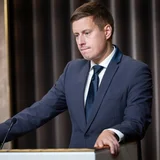
Keldo proposed measures to help households pay winter energy bills. These measures would help reduce the cost of electricity, gas, or district heating by up to 20 percent.
The state would compensate 50 percent of the electricity network fee for up to 1000 kWh per month. Small consumers' electricity bills would decrease by up to 15 percent, while larger consumers' bills would decrease by around 7 percent.
The state would compensate 100 percent of the gas network fee for up to 2500 kWh per month. Consumers using gas stoves and ovens would see their gas bills decrease by up to 14 percent, while those using gas for heating would see their bills decrease by around 8 percent.
The state would cover 80 percent of the district heating price if it exceeds 110 euros per megawatt-hour. This would help approximately 40 district heating consumers who pay higher prices.
Keldo said the state must be prepared for winter with concrete solutions. He emphasized that compensating network fees is a simple and understandable solution that does not require any action from people themselves.
Keldo mentioned that the situation on the international energy market is tense. He stressed that events in the Middle East and the Strait of Hormuz are affecting gas availability and prices.
If the measures were applied throughout all winter months, it would cost the state budget around 45 million euros. Most of the funds would go toward compensating electricity network fees.
No decision has been made yet regarding the implementation of measures to mitigate the impact of high energy prices. The government is preparing different scenarios to respond quickly if necessary.
In the long term, Estonia needs to increase affordable electricity production and develop storage. This will help reduce the risk of price peaks and strengthen energy supply.