
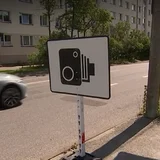
Juulist kehtib
kõrgem sekkumiskünnis
kiiruse ületamisel. See viis kiiruserikkumiste languseni rohkem kui poole võrra. Augustis lisati mobiilsete kiiruskaamerate ees
hoiatussildid
. See vähendas rikkumiste arvu ligi 90%.
kõrgem sekkumiskünnis
Tõlge fraasile: kõrgem sekkumiskünnis
EN
higher intervention threshold
hoiatussildid
Tõlge fraasile: hoiatussildid
EN
warning signs
Möödunud aasta septembris tehti mobiilsete kiiruskaameratega 26 228 trahvi. Käesoleva aasta septembris oli
trahvide arv
2939. Politsei ütleb, et
trahvide arv
on nüüd väga väike.
trahvide arv
Tõlge fraasile: trahvide arv
EN
number of fines
trahvide arv
Tõlge fraasile: trahvide arv
EN
number of fines
Politsei ütleb, et
hoiatussildid
mobiilsete kaamerate ees muudavad nende mõju sarnaseks statsionaarsetele kaameratele. Kohad, kus on
hoiatussildid
, on turvalisemad ja rikkumisi seal palju ei esine.
hoiatussildid
Tõlge fraasile: hoiatussildid
EN
warning signs
hoiatussildid
Tõlge fraasile: hoiatussildid
EN
warning signs
77% juhtidest järgivad
piirkiirus
t. Ülejäänud juhid ületavad kiirust endiselt. Hoiatussildide paigaldamine on olnud keeruline. Näiteks suurte veokite möödumisel kukuvad sildid maha.
piirkiirus
Tõlge fraasile: piirkiirus
EN
speed limit
Politseid ei häiri trahviraha vähenemine. Nende eesmärk on
liiklusohutus
e parandamine ja
õnnetuste vähendamine
. Patrullide arv ei suurene, kuid liiklust jälgitakse mobiilsete ja statsionaarsete kaameratega.
liiklusohutus
Tõlge fraasile: liiklusohutus
EN
traffic safety
õnnetuste vähendamine
Tõlge fraasile: õnnetuste vähendamine
EN
reduction of accidents
Politsei rõhutab turvalise taristu tähtsust. Tallinnas langetati kesklinnas
piirkiirus
t. See vähendas õnnetuste arvu alguses 50%, praegu umbes 30%. Maanteedel on oluline, et
sõidurajad
oleksid eraldatud.
piirkiirus
Tõlge fraasile: piirkiirus
EN
speed limit
sõidurajad
Tõlge fraasile: sõidurajad
EN
lanes
Alates 1. juulist trahvivad mobiilsed kaamerad alles alates 6 km/h ületamisest. Enne oli see 3 km/h. Statsionaarsed kaamerad töötavad endiselt alates 3 km/h ületamisest. Hoiatussildid mobiilsete kaamerate ees on
kohustuslikud
alates 1. augustist.
kohustuslikud
Tõlge fraasile: kohustuslikud
EN
mandatory
Since July, a higher intervention threshold for speeding has been in effect. This led to a reduction in speeding violations by more than half. In August, warning signs were added before mobile speed cameras. This reduced the number of violations by nearly 90%.
In September of last year, 26,228 fines were issued using mobile speed cameras. This September, the number of fines was 2,939. The police say the number of fines is now very low.
The police say that warning signs before mobile cameras make their effect similar to that of stationary cameras. Areas with warning signs are safer, and violations there are rare.
77% of drivers adhere to the speed limit. The remaining drivers still exceed the speed limit. Installing warning signs has been challenging. For example, signs fall down when large trucks pass by.
The police are not bothered by the decrease in fine revenue. Their goal is to improve traffic safety and reduce accidents. The number of patrols will not increase, but traffic will be monitored with mobile and stationary cameras.
The police emphasize the importance of safe infrastructure. In Tallinn, the speed limit in the city center was reduced. This initially reduced the number of accidents by 50%, now by about 30%. On highways, it is important that lanes are separated.
Since July 1, mobile cameras only impose fines for exceeding the speed limit by 6 km/h or more. Previously, this threshold was 3 km/h. Stationary cameras still operate from 3 km/h excess. Warning signs before mobile cameras have been mandatory since August 1.