
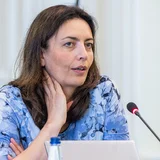
Istungile on kutsutud palju tähtsaid inimesi. Näiteks sotsiaalminister Karmen Joller, tervisekassa juht Siiri Lahe ja Tartu ülikooli meditsiiniteaduste dekaan Külli Kingo.
Komisjon arutab, miks
tervishoiukulude kasv
ei paranda
arstiabi saadavalust
ega vähenda ravijärjekordi. Erikomisjoni esimees Urmas Reinsalu ütleb, et riigikontrolli audit näitab
tervishoiusüsteemi probleeme
.
tervishoiukulude kasv
Tõlge fraasile: tervishoiukulude kasv
EN
increase in healthcare costs
arstiabi saadavalust
Tõlge fraasile: arstiabi saadavalust
EN
availability of medical care
tervishoiusüsteemi probleeme
Tõlge fraasile: tervishoiusüsteemi probleeme
EN
problems in the healthcare system
Näiteks on tervishoiukulud kasvanud 61 protsenti aastatel 2020-2025. 2025. aastal kulud ületavad 3,3 miljardit eurot. Riigikontroll ütleb, et Eesti inimestel on kõrge
omaosaluse määr
. See oli 2024. aastal 21 protsenti. See on
Euroopa Liidu keskmisest
ja Maailma Terviseorganisatsiooni soovitusest kõrgem.
omaosaluse määr
Tõlge fraasile: omaosaluse määr
EN
co-payment rate
Euroopa Liidu keskmisest
Tõlge fraasile: Euroopa Liidu keskmisest
EN
higher than the EU average
Riigikontrolli raport ütleb, et
ministeeriumis on liiga palju reforme
korraga. Neid on üle 20. See raskendab
ressursside ja IT-võimekusega tööd
. Peamine probleem on
perearstide puudus
.
ministeeriumis on liiga palju reforme
Tõlge fraasile: ministeeriumis on liiga palju reforme
EN
there are too many reforms in the ministry
ressursside ja IT-võimekusega tööd
Tõlge fraasile: ressursside ja IT-võimekusega tööd
EN
work with resources and IT capabilities
perearstide puudus
Tõlge fraasile: perearstide puudus
EN
shortage of family doctors
Many important people have been invited to the session. For example, Minister of Social Affairs Karmen Joller, Health Fund director Siiri Lahe, and Dean of the Faculty of Medicine at the University of Tartu Külli Kingo.
The commission will discuss why the increase in healthcare costs does not improve the availability of medical care or reduce waiting times. The chairman of the special committee, Urmas Reinsalu, says that the State Audit Office's audit reveals problems in the healthcare system.
For example, healthcare costs have increased by 61 percent between 2020 and 2025. In 2025, costs will exceed 3.3 billion euros. The State Audit Office says that Estonians have a high rate of co-payment. It was 21 percent in 2024. This is higher than the European Union average and the World Health Organization's recommendation.
The State Audit Office report states that there are too many reforms being implemented simultaneously in the ministry. There are over 20. This complicates work with resources and IT capabilities. The main problem is the shortage of family doctors.