
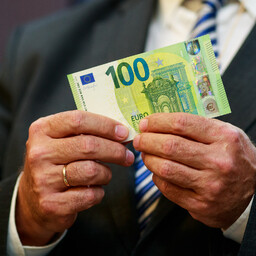
Tööandjate ja ametiühingute esindajad
ei jõudnud kokkuleppele
2026. aasta alampalga küsimuses. Läbirääkimised jätkuvad riikliku lepitaja juures.
ei jõudnud kokkuleppele
Tõlge fraasile: ei jõudnud kokkuleppele
EN
did not reach an agreement
Ain Käpp, tööandjate esindaja, ütles, et ametiühingute
ettepanek oli liiga kõrge
. Ametiühingud tahtsid 11,8%
alampalga tõus
u. Käpp ütles, et see ei ole praegu realistlik, sest
majandus on nõrk
.
ettepanek oli liiga kõrge
Tõlge fraasile: ettepanek oli liiga kõrge
EN
the proposal was too high
alampalga tõus
Tõlge fraasile: alampalga tõus
EN
minimum wage increase
majandus on nõrk
Tõlge fraasile: majandus on nõrk
EN
the economy is weak
Käpp lisas, et tööandjad on viimase kümne aasta jooksul palku tõstnud. Alampalk on kasvanud kiiremini kui keskmine palk ja hinnad. Keskmine alampalga kasv on olnud 8,6%, keskmine palk on tõusnud 7% ja hinnad 4,8%.
Tööandjate ettepanek oli tõsta alampalka järgmisel aastal 5,1%. See oleks rohkem kui prognoositud
hinnatõus
. Käpp ütles, et see oleks
kompromiss
, sest paljudes sektorites pole palku tõsta.
hinnatõus
Tõlge fraasile: hinnatõus
EN
price increase
kompromiss
Tõlge fraasile: kompromiss
EN
compromise
Miinimumpalk on madalaim tasu, mida tööandja võib maksta
täistööajaga töötaja
le. Selle suuruse lepivad kokku
tööandjate ja ametiühingute esindajad
. Valitsus kinnitab selle määrusega.
täistööajaga töötaja
Tõlge fraasile: täistööajaga töötaja
EN
full-time employee
tööandjate ja ametiühingute esindajad
Tõlge fraasile: tööandjate ja ametiühingute esindajad
EN
representatives of employers and trade unions
Praegu on
miinimumpalk
886 eurot
. See kehtib seni, kuni lepitakse kokku 2026. aasta alampalga suurus.
miinimumpalk
Tõlge fraasile: miinimumpalk
EN
minimum wage
886 eurot
Tõlge fraasile: 886 eurot
EN
886 euros
Representatives of employers and trade unions failed to reach an agreement on the issue of the minimum wage for 2026. The negotiations will continue with the national conciliator.
Ain Käpp, the representative of the employers, said that the trade unions' proposal was too high. The trade unions wanted an 11.8% increase in the minimum wage. Käpp said that this is not currently realistic because the economy is weak.
Käpp added that employers have raised wages over the past decade. The minimum wage has grown faster than the average wage and prices. The average increase in the minimum wage has been 8.6%, the average wage has risen by 7%, and prices by 4.8%.
The employers' proposal was to increase the minimum wage by 5.1% next year. This would be more than the projected price increase. Käpp said that this would be a compromise because wages cannot be increased in many sectors.
The minimum wage is the lowest payment that an employer can make to a full-time employee. Its amount is agreed upon by representatives of employers and trade unions. The government confirms it by regulation.
Currently, the minimum wage is 886 euros. It will remain in effect until the 2026 minimum wage is agreed upon.