
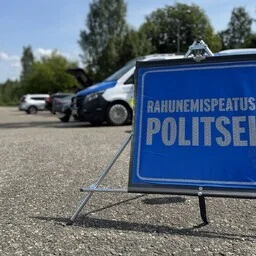
Politsei kasutab tänavu
rahunemispeatus
i kogu Eestis. Mullu rahunes 172
kiiruseületaja
t, tänavu on neid juba 160. Politsei plaanib teha sel aastal umbes 90
rahunemispeatus
t.
rahunemispeatus
Tõlge fraasile: rahunemispeatus
EN
cooling-off stop
kiiruseületaja
Tõlge fraasile: kiiruseületaja
EN
speed violator
rahunemispeatus
Tõlge fraasile: rahunemispeatus
EN
cooling-off stop
Rahunemispeatus tähendab, et kui juht sõidab kuni 20 km/h kiiremini kui lubatud, saab ta
valida
: kas maksta
trahv
või
rahuneda 45 minutit
. Politsei ütleb, et inimesed on selle meetme vastu positiivselt. Mõned ei taha rahuneda, kui neil on kiire või kui nad on
turistid
. Aga
enamik eestlasi
on valmis rahunema.
valida
Tõlge fraasile: valida
EN
to choose
trahv
Tõlge fraasile: trahv
EN
fine
rahuneda 45 minutit
Tõlge fraasile: rahuneda 45 minutit
EN
cool down for 45 minutes
turistid
Tõlge fraasile: turistid
EN
tourists
enamik eestlasi
Tõlge fraasile: enamik eestlasi
EN
majority of Estonians
Kõige rohkem rahunejaid on olnud Harju- ja Viljandimaal. Politsei tahab, et liiklus oleks ohutum. Rahunemispeatuse ajal saab teha
liiklusohutus
e ülesandeid. Näiteks saab testida oma
reaktsiooni kiirus
t telefonis.
liiklusohutus
Tõlge fraasile: liiklusohutus
EN
traffic safety
reaktsiooni kiirus
Tõlge fraasile: reaktsiooni kiirus
EN
reaction speed
Politsei planeerib
rahunemispeatus
e kohti hoolikalt. Peab olema hea
parkimiskoht
. Valitakse kohti, kus
kiiruseületamine
on eriti ohtlik. Näiteks seal, kus on oht jalakäijatele või teistele autodele.
rahunemispeatus
Tõlge fraasile: rahunemispeatus
EN
cooling-off stop
parkimiskoht
Tõlge fraasile: parkimiskoht
EN
parking spot
kiiruseületamine
Tõlge fraasile: kiiruseületamine
EN
speeding
Mullu oli Eestis kõige
ohutum liiklusaasta
. See
trend jätkub
ka tänavu.
ohutum liiklusaasta
Tõlge fraasile: ohutum liiklusaasta
EN
safer traffic year
trend jätkub
Tõlge fraasile: trend jätkub
EN
trend continues
This year, police will use calming stops across Estonia. Last year, 172 speed violators calmed down, and this year there are already 160. Police plan to conduct about 90 calming stops this year.
A calming stop means that if a driver exceeds the speed limit by up to 20 km/h, they can choose: either pay a fine or calm down for 45 minutes. Police say people have reacted positively to this measure. Some don't want to calm down if they are in a hurry or if they are tourists. But most Estonians are willing to calm down.
The highest number of calming stops have been in Harju and Viljandi counties. Police want traffic to be safer. During a calming stop, drivers can complete traffic safety tasks. For example, they can test their reaction speed on their phone.
Police carefully plan the locations for calming stops. There must be a good parking spot. Locations are chosen where speeding is particularly dangerous. For example, where there is a risk to pedestrians or other vehicles.
Last year was the safest traffic year in Estonia. This trend continues this year.