
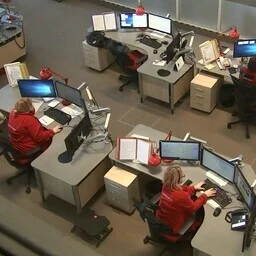
Praegu saab häirekeskusega ühenduda telefonikõne või SMS-i teel. Kui seda saaks teha video teel, aitaks see anda
kiiremat ja täpsemat abi
. Video võib aidata näiteks kuulmis- või kõneraskuste puhul või
lähisuhtevägivalla juhtum
ite korral.
kiiremat ja täpsemat abi
Tõlge fraasile: kiiremat ja täpsemat abi
EN
faster and more precise help
lähisuhtevägivalla juhtum
Tõlge fraasile: lähisuhtevägivalla juhtum
EN
case of domestic violence
Häirekeskus tahab, et inimesed saaksid valida videokõne ja
päästekorraldaja
näeks abivajajat. See ei peaks olema keeruline.
Euroopa Liidu nõue
on, et videolahendus peab olema kahepoolne. Häirekeskus on selleks valmis, kuid
tehnoloogiafirmad
Google ja Apple ei võimalda seda veel.
päästekorraldaja
Tõlge fraasile: päästekorraldaja
EN
emergency dispatcher
Euroopa Liidu nõue
Tõlge fraasile: Euroopa Liidu nõue
EN
European Union requirement
tehnoloogiafirmad
Tõlge fraasile: tehnoloogiafirmad
EN
technology companies
Tehnoloogiafirmadel ei ole kohustust pakkuda kahepoolset videokõnet. Siseministeeriumiga peavad nad selle üle rääkima. Ei ole teada, millal
kahepoolne videolahendus
tuleb.
kahepoolne videolahendus
Tõlge fraasile: kahepoolne videolahendus
EN
two-way video solution
Siseministeerium töötab selle kallal. Nad vaatavad, kuidas Eestis tulevikus kahepoolset videokõnet kasutusele võtta. Praegu töötatakse reaalajas teksti vahetamise võimalusega, mida
plaanitakse valmis saada aasta lõpuks
.
plaanitakse valmis saada aasta lõpuks
Tõlge fraasile: plaanitakse valmis saada aasta lõpuks
EN
planned to be completed by the end of the year
See tähendab, et kui inimene
helistab 112
, saab ta samal ajal kirjutada. Päästekorraldaja näeb kohe kõiki tähtejadasid, mida abivajaja sisestab.
helistab 112
Tõlge fraasile: helistab 112
EN
calls 112
Currently, it is possible to contact the emergency center via phone call or SMS. If this could be done via video, it would help provide faster and more precise assistance. Video could help, for example, in cases of hearing or speech difficulties or in domestic violence incidents.
The emergency center wants people to be able to choose a video call and for the dispatcher to see the person in need. This should not be complicated. The European Union's requirement is that the video solution must be two-way. The emergency center is ready for this, but technology companies Google and Apple do not yet allow it.
Technology companies are not obligated to offer two-way video calls. They need to discuss this with the Ministry of the Interior. It is not known when a two-way video solution will be available.
The Ministry of the Interior is working on this. They are looking into how to implement two-way video calls in Estonia in the future. Currently, work is underway on a real-time text exchange feature, which is planned to be completed by the end of the year.
This means that when a person calls 112, they can also write at the same time. The dispatcher will immediately see all the character strings entered by the person in need.