
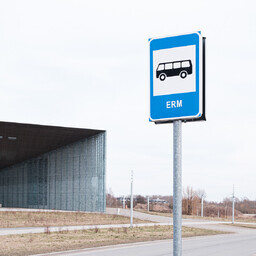
Many museums that were state-owned have been converted into foundations. Currently, there are still some museums, such as the Estonian National Museum and the Palamuse Museum, that have not been turned into foundations. For the ERM, the possibility of converting it into a public law legal entity is now being discussed.
Public law status would give the ERM more independence in fulfilling its tasks. The cultural ministry's museum advisor Marju Reismaa said that a state institution is not the best form for museums.
'A public law legal entity is a better direction if you want more political independence. Foundations are created or altered by the Minister of Culture, but public law legal entities operate based on laws,' explained Reismaa.
ERM director Laura Kipper said that the museum wants to take the path of a public law legal entity. 'Public law status would give the museum more influence and support in society,' added Kipper.
The ERM preserves and showcases collections and is an important research institution. Kipper emphasized that public law status would allow the ERM to contribute more to the development of the museum field.
Reismaa said that they are currently analyzing what additional tasks the ERM could have. For example, they are considering whether the Kanut's Rebuilding House could belong to the ERM.
Reismaa added that by the end of January, it should be clear what the future of the ERM will be. If a decision is made to go the public law route, the Riigikogu will have to make a decision on it.
The current government plans to complete the museum reform by early 2027. Reismaa said that the Riigikogu should start the legislative process by this spring.