
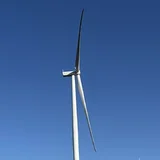
Varja tuulepark koosneb neljast osast. Esimene osa on peaaegu valmis. Järgmise aasta alguses hakatakse ehitama 12 tuulikut.
Esialgu oli plaanis ehitada 32 kuni 34 tuulikut. Praegu on plaan muutunud ja
tuulikuid tuleb ainult 23
. Lüganuse vallas on praegu 27 tuulikut. Tulevikus võib veel tulla 150 tuulikut, kuid valla juhid usuvad, et neid ei tekita nii palju.
tuulikuid tuleb ainult 23
Tõlge fraasile: tuulikuid tuleb ainult 23
EN
only 23 wind turbines will come
Kohalikud elanikud on mures
tuulikute mõju pärast
nende elukeskkonnale. Nad kardavad, et
paljud inimesed kolivad mujale
, kui tuulikuid tuleb liiga palju. See juhtub, kuigi on plaanis
kompensatsioonimeetmed
.
tuulikute mõju pärast
Tõlge fraasile: tuulikute mõju pärast
EN
due to the impact of wind turbines
paljud inimesed kolivad mujale
Tõlge fraasile: paljud inimesed kolivad mujale
EN
many people will move elsewhere
kompensatsioonimeetmed
Tõlge fraasile: kompensatsioonimeetmed
EN
compensation measures
Varja tuulepargi esindaja ütles, et
algselt oli plaanis
ehitada rohkem tuulikuid. Praegu on selgunud, et
see ei ole võimalik
. Ta rääkis, et see võib
tekitada segadust inimestes
.
algselt oli plaanis
Tõlge fraasile: algselt oli plaanis
EN
originally planned
see ei ole võimalik
Tõlge fraasile: see ei ole võimalik
EN
this is not possible
tekitada segadust inimestes
Tõlge fraasile: tekitada segadust inimestes
EN
cause confusion among people
Lüganuse vald on tuuleprojektide arendajatele öelnud, et
nad peavad läbi rääkima
kohalike elanikega. Valla esimees ütles, et tuulikuid ei ehitata
ilma inimeste nõusolekuta
.
nad peavad läbi rääkima
Tõlge fraasile: nad peavad läbi rääkima
EN
they must discuss
ilma inimeste nõusolekuta
Tõlge fraasile: ilma inimeste nõusolekuta
EN
without people's consent
Varja tuulepargi
esimeste tuulikute ehitamiseks
kulub vähemalt 90 miljonit eurot. Need tuulikud
toodavad aastas umbes 250 gigavatt-tundi elektrit
.
esimeste tuulikute ehitamiseks
Tõlge fraasile: esimeste tuulikute ehitamiseks
EN
for the construction of the first wind turbines
toodavad aastas umbes 250 gigavatt-tundi elektrit
Tõlge fraasile: toodavad aastas umbes 250 gigavatt-tundi elektrit
EN
produce about 250 gigawatt-hours of electricity per year
Varja wind park consists of four parts. The first part is almost complete. At the beginning of next year, construction of 12 turbines will begin.
Initially, there were plans to build 32 to 34 turbines. Now the plan has changed, and there will be only 23 turbines. Currently, there are 27 turbines in Lüganuse municipality. In the future, there may be up to 150 more turbines, but local leaders believe that they will not be built in such numbers.
Local residents are concerned about the impact of the turbines on their living environment. They are afraid that many people will move elsewhere if too many turbines are built. This is happening despite plans for compensatory measures.
A representative of Varja wind park said that initially there were plans to build more turbines. Now it has become clear that this is not possible. They mentioned that this may cause confusion among people.
Lüganuse municipality has told wind project developers that they must consult with local residents. The municipality head stated that turbines will not be built without people's consent.
The construction of the first turbines for Varja wind park will cost at least 90 million euros. These turbines will produce about 250 gigawatt-hours of electricity annually.