
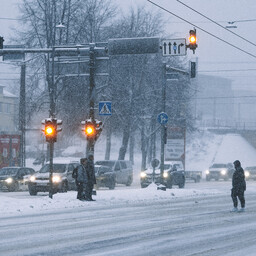
Maaleht tegi Tartus eksperimendi. Nad vaatasid Tasku keskuse ees ühe tunni jooksul 129 juhti, kes sõitsid ristmikule kollase tulega. Tallinna Tehnikaülikooli professor Dago Antov ütles, et see ei üllata teda. Tartu keskus on üks
tihedama liiklusega kohti
. Probleem on terav, kuid rikkumiste arv ei ole viimasel ajal oluliselt suurenenud.
tihedama liiklusega kohti
Tõlge fraasile: tihedama liiklusega kohti
EN
areas with heavier traffic
Antov selgitas, et kollase tule ajal ristmikule sõitmine tuleneb
inimeste ajatajust
. Inimesed tahavad
säästa oma aega
. Keskmiselt tekib üheminutiline ootamine, kui keegi ei jõua viimase foori hetkega läbi sõita.
inimeste ajatajust
Tõlge fraasile: inimeste ajatajust
EN
people's sense of time
säästa oma aega
Tõlge fraasile: säästa oma aega
EN
save their time
Kollane tuli ei ole rohelise pikendus. See on keelav nagu punane tuli. Kollane tuli hoiatab, et järgmine tuli tuleb kohe. Antov rääkis, et esimesed foorid olid vaid punase ja rohelise tulega. Hiljem lisati kollane tuli. Kollase tuli mõte on anda vahetakt punase ja rohelise tule vahel.
Eestis kasutatakse vilkuvat rohelist tuld, vilkumisega kollase tulega ristmikule sõitmine
tekitab tipptunnil ummikuid
. Antov soovitab olla rahulik ja mitte sõita viimasel hetkel ristmikule läbi. Ristmiku kinnisõitmine takistab teisi liiklejaid ja paneb fooritsükli kinni.
tekitab tipptunnil ummikuid
Tõlge fraasile: tekitab tipptunnil ummikuid
EN
causes traffic jams during rush hour
Paljud juhid arvavad, et pikemad fooritsüklid lahendavad ummikute probleemi, kuid matemaatika ei toeta seda. Liiga pikad fooritsüklid teevad ooteajad väga pikkadeks. Väga lühikesed fooritsüklid sundivad juhid rohkem varastama.
Eesti tänavatel kasutatakse juba adaptiivset fooride juhtimist. See
loendab ootajaid ja läbinud sõidukeid
. Kui ootajaid ei ole, saab fooritakti varem lõpetada. See aitab liiklust paremini juhtida.
loendab ootajaid ja läbinud sõidukeid
Tõlge fraasile: loendab ootajaid ja läbinud sõidukeid
EN
counts waiting and passing vehicles
Liikluse rahustamiseks ja
rikkujate tabamiseks
võib tulevikus kasutada droone. Droonid võivad jälgida liiklust ja
kontrollida käitumist
. Antov peab seda heaks ideeks, kuid täpset lahendust veel ei ole.
rikkujate tabamiseks
Tõlge fraasile: rikkujate tabamiseks
EN
to catch violators
kontrollida käitumist
Tõlge fraasile: kontrollida käitumist
EN
monitor behavior
Maaleht conducted an experiment in Tartu. They observed 129 drivers in front of the Tasku shopping center over one hour who entered the intersection on a yellow light. Professor Dago Antov from Tallinn University of Technology said this doesn't surprise him. The Tartu city center is one of the busiest traffic areas. The problem is acute, but the number of violations has not significantly increased recently.
Antov explained that driving into the intersection on a yellow light stems from people's time management. People want to save their time. On average, a one-minute wait occurs if someone doesn't manage to pass through at the last moment of the traffic light.
The yellow light is not an extension of the green light. It is prohibitive, like the red light. The yellow light warns that the next light will come immediately. Antov mentioned that the first traffic lights had only red and green lights. Later, the yellow light was added. The purpose of the yellow light is to provide a transition between red and green lights.
In Estonia, a flashing green light is used, which dates back to the Soviet era. Longer flashing of the green light encourages violations. If the green light flashes for too long, drivers tend to rush more because they don't know when the green light will end.
Entering the intersection on a yellow light creates traffic jams during peak hours. Antov recommends staying calm and not rushing through the intersection at the last moment. Blocking the intersection obstructs other road users and stops the traffic light cycle.
Many drivers think that longer traffic light cycles solve the problem of traffic jams, but mathematics does not support this. Too long traffic light cycles make waiting times very long. Very short traffic light cycles force drivers to rush more.
Estonia's streets already use adaptive traffic light control. It counts the waiting vehicles and those passing through. If there are no waiting vehicles, the traffic light cycle can end earlier. This helps manage traffic better.
In the future, drones may be used to calm traffic and catch violators. Drones can monitor traffic and control behavior. Antov considers this a good idea, but there is no exact solution yet.