
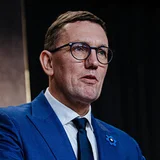
Peaminister Kristen Michal kirjutas ajalehele The Economist. Ta ütles, et Euroopa ei peaks alustama kõnelusi julgeolekust Venemaa soovil.
Venemaa tahab rääkida rahust Ukrainas
, kuid samas ka Euroopa julgeolekust. Michal ütleb, et see on nagu süütaja, kes tahab enne tule kustutamist rääkida maja ehitamisest.
Venemaa tahab rääkida rahust Ukrainas
Tõlge fraasile: Venemaa tahab rääkida rahust Ukrainas
EN
Russia wants to talk about peace in Ukraine
Michal meenutas, et Euroopas on juba palju kokkuleppeid julgeolekust. Näiteks 1975. aasta Helsingi lepe ja 2002. aasta NATO-Venemaa lepe. Lääneriigid on neid järginud, kuid Venemaa on neid rikkunud.
Peaminister ütleb, et
Venemaa soovib rohkem võimu Ida-Euroopas
. See tähendaks, et NATO liikmed oleksid erineval tasemel.
Lääne-Euroopa riigid saaksid täieliku kaitse
, aga Ida-Euroopa riigid saaksid vähem kaitse.
Venemaa soovib rohkem võimu Ida-Euroopas
Tõlge fraasile: Venemaa soovib rohkem võimu Ida-Euroopas
EN
Russia wants more power in Eastern Europe
Lääne-Euroopa riigid saaksid täieliku kaitse
Tõlge fraasile: Lääne-Euroopa riigid saaksid täieliku kaitse
EN
Western European countries would receive full protection
Paljud Euroopa juhid arvavad, et
Venemaa nõudmised on vastuvõetamatud
. Euroopa julgeolek on juba olemas. Kui räägitakse uuesti, siis ei tohi Venemaal olla vetoõigust. Peamine on
toetada Ukrainat
, kes tahab liituda NATO ja EL-ga.
Venemaa nõudmised on vastuvõetamatud
Tõlge fraasile: Venemaa nõudmised on vastuvõetamatud
EN
Russia's demands are unacceptable
toetada Ukrainat
Tõlge fraasile: toetada Ukrainat
EN
support Ukraine
Michal hoiatab, et kui Euroopa nõustub Venemaaga rääkima, siis on oht väiksematele riikidele. Balti riigid, Poola ja teised võivad kaotada oma julgeoleku. Eesti teab, mis juhtub, kui teised otsustavad meie eest.
Esiti tuleb lõpetada sõda Ukrainas. Alles siis saab rääkida teistest asjadest. Venemaa kaotab iga kuu palju sõdureid. Venemaa majandus on halvas seisus. Kuid Venemaa pommitab ikkagi Ukraina linnu ja teeb sabotaaži Euroopas.
Euroopa peab toetama Ukrainat relvade ja rahaga. Samuti tuleb
külmutada Venemaa varasid
ja kontrollida Vene laevu. Michal ütleb, et Venemaa soovib kõnelusi ainult selleks, et meid tülli ajada.
külmutada Venemaa varasid
Tõlge fraasile: külmutada Venemaa varasid
EN
freeze Russian assets
Euroopal peab olema koht laua taha, kui räägitakse Ukraina tulevikust. Eesti on Ukraina suur toetaja. Kui Putin võidaks, kaotaksime palju. Esmalt tuleb lõpetada sõda, mitte valmistuda uuele sõjale.
Venemaa ähvardab alati suurema sõjaga
.
Süütajaga ei räägi enne, kui tuli on kustutatud
.
Venemaa ähvardab alati suurema sõjaga
Tõlge fraasile: Venemaa ähvardab alati suurema sõjaga
EN
Russia always threatens with a larger war
Süütajaga ei räägi enne, kui tuli on kustutatud
Tõlge fraasile: Süütajaga ei räägi enne, kui tuli on kustutatud
EN
You don't talk to the arsonist before the fire is extinguished
Prime Minister Kristen Michal wrote to The Economist. He said that Europe should not start security negotiations at Russia's request. Russia wants to talk about peace in Ukraine, but also about European security. Michal says it's like an arsonist who wants to talk about building a house before putting out the fire.
Michal recalled that there are already many security agreements in Europe. For example, the 1975 Helsinki Accords and the 2002 NATO-Russia agreement. Western countries have followed these, but Russia has violated them.
The Prime Minister says that Russia wants more power in Eastern Europe. This would mean that NATO members would be at different levels. Western European countries would receive full protection, but Eastern European countries would receive less protection.
Many European leaders believe that Russia's demands are unacceptable. European security already exists. If the issue is discussed again, Russia should not have veto power. The main thing is to support Ukraine, which wants to join NATO and the EU.
Michal warns that if Europe agrees to talk with Russia, there is a danger for smaller countries. The Baltic states, Poland, and others may lose their security. Estonia knows what happens when others decide for us.
First, the war in Ukraine must be ended. Only then can other matters be discussed. Russia loses many soldiers every month. Russia's economy is in bad shape. But Russia is still bombing Ukrainian cities and committing sabotage in Europe.
Europe must support Ukraine with weapons and money. It is also necessary to freeze Russian assets and control Russian ships. Michal says Russia wants talks only to sow discord among us.
Europe must have a place at the table when discussing Ukraine's future. Estonia is a strong supporter of Ukraine. If Putin wins, we will lose a lot. First, the war must be ended, not prepared for a new war. Russia always threatens with a bigger war. We do not talk with an arsonist before the fire is extinguished.