
Tartu lennujaamast
läks Hispaaniasse
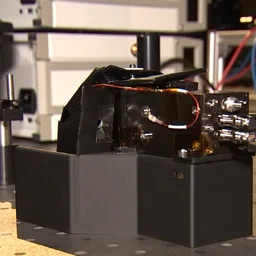
Eesti esimene kosmosekaamera
OPIC. See kaamera
pildistab komeete
. Kaamera tegi
Tartu observatoorium
. See võib
startida kosmosesse
2028. aastal.
Tartu lennujaamast
Tõlge fraasile: Tartu lennujaamast
EN
from Tartu airport
Eesti esimene kosmosekaamera
Tõlge fraasile: Eesti esimene kosmosekaamera
EN
Estonia's first space camera
pildistab komeete
Tõlge fraasile: pildistab komeete
EN
photographs comets
Tartu observatoorium
Tõlge fraasile: Tartu observatoorium
EN
Tartu Observatory
startida kosmosesse
Tõlge fraasile: startida kosmosesse
EN
launch into space
OPIC on esimene Eesti kaamera, mis läheb
süvakosmosesse
. See pildistab
komeedi tuuma
. Teadlased tahavad teada, kuidas
päikesesüsteem ja Maa said alguse
. Kaamera aitab neil seda mõista.
süvakosmosesse
Tõlge fraasile: süvakosmosesse
EN
into deep space
komeedi tuuma
Tõlge fraasile: komeedi tuuma
EN
comet nucleus
päikesesüsteem ja Maa said alguse
Tõlge fraasile: päikesesüsteem ja Maa said alguse
EN
the solar system and Earth originated
Professor Mihkel Pajusalu ütleb, et komeedid on vanad. Nad on päikesesüsteemi algusest. Nende uurimine aitab mõista
elu algust
. OPIC pildistab komeeti, mis tuleb esimest korda päikese lähedale.
elu algust
Tõlge fraasile: elu algust
EN
the origin of life
Enne on komeete uuritud, aga need olid juba päikese lähedal käinud. OPIC uurib uut komeeti. See komeet on puhas ja muutumatu. See näitab, milline oli päikesesüsteem alguses.
Kaamera testid on tehtud. Nüüd läheb see Hispaaniasse rohkem teste tegema. Kui kõik läheb hästi, startib kaamera 2028. aastal kosmosesse.
Kaamera lendab
Lagrange punkti L2
. See on
1,5 miljoni km kaugusel Maast
. Seal ootab kaamera komeeti. See pildistab
tundmatu komeedi
. See teeb
missiooni eriti huvitavaks
.
Lagrange punkti L2
Tõlge fraasile: Lagrange punkti L2
EN
Lagrange point L2
1,5 miljoni km kaugusel Maast
Tõlge fraasile: 1,5 miljoni km kaugusel Maast
EN
1.5 million km from Earth
tundmatu komeedi
Tõlge fraasile: tundmatu komeedi
EN
unknown comet
missiooni eriti huvitavaks
Tõlge fraasile: missiooni eriti huvitavaks
EN
the mission particularly interesting
From Tartu Airport, Estonia's first space camera OPIC went to Spain. This camera photographs comets. The camera was made by Tartu Observatory. It may launch into space in 2028.
OPIC is the first Estonian camera to go into deep space. It photographs the nucleus of a comet. Scientists want to know how the solar system and Earth originated. The camera will help them understand this.
Professor Mihkel Pajusalu says that comets are ancient. They date back to the beginning of the solar system. Studying them helps understand the origin of life. OPIC will photograph a comet that is approaching the Sun for the first time.
Comets have been studied before, but they had already been near the Sun. OPIC will study a new comet. This comet is pristine and unchanged. It shows what the solar system was like at the beginning.
The camera tests have been completed. Now it is going to Spain for more tests. If everything goes well, the camera will launch into space in 2028.
The camera will fly to Lagrange point L2. It is located 1.5 million km from Earth. There, the camera will wait for a comet. It will photograph an unknown comet. This makes the mission particularly exciting.